


- Afhalen na 1 uur in een winkel met voorraad
- Gratis thuislevering in België vanaf € 30
- Ruim aanbod met 7 miljoen producten
- Afhalen na 1 uur in een winkel met voorraad
- Gratis thuislevering in België vanaf € 30
- Ruim aanbod met 7 miljoen producten





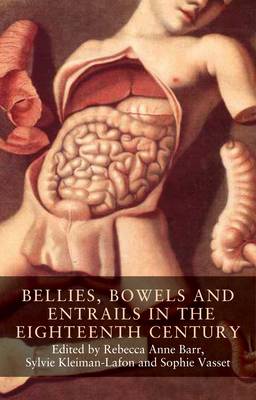
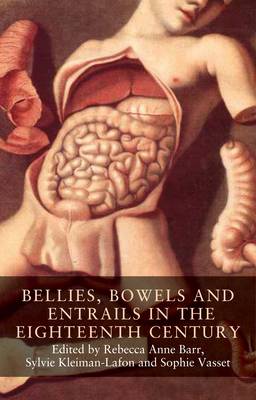
Bellies, Bowels and Entrails in the Eighteenth Century
€ 225,95
+ 451 punten
Eenvoudig bestellen
Veilig betalen


Gratis thuislevering vanaf € 30 (via bpost)
Gratis levering in je Standaard Boekhandel
Omschrijving
This collection of essays seeks to challenge the notion of the supremacy of the brain as the key organ of the Enlightenment, by focusing on the workings of the bowels and viscera that so obsessed writers and thinkers during the long eighteenth-century. These inner organs and the digestive process acted as counterpoints to politeness and other modes of refined sociability, drawing attention to the deeper workings of the self. Moving beyond recent studies of luxury and conspicuous consumption, where dysfunctional bowels have been represented as a symptom of excess, this book seeks to explore other manifestations of the visceral and to explain how the bowels played a crucial part in eighteenth-century emotions and perceptions of the self. The collection offers an interdisciplinary and cross-cultural perspective on entrails and digestion by addressing urban history, visual studies, literature, medical history, religious history, and material culture in England, France, and Germany.
Specificaties
Betrokkenen
- Uitgeverij:
Inhoud
- Aantal bladzijden:
- 368
- Taal:
- Engels
- Reeks:
- Reeksnummer:
- nr. 5
Eigenschappen
- Productcode (EAN):
- 9781526127051
- Verschijningsdatum:
- 8/08/2018
- Uitvoering:
- Hardcover
- Formaat:
- Genaaid
- Afmetingen:
- 142 mm x 218 mm
- Gewicht:
- 576 g

Alleen bij Standaard Boekhandel
+ 451 punten op je klantenkaart van Standaard Boekhandel
CADEAU

AANGERADEN


Beoordelingen
We publiceren alleen reviews die voldoen aan de voorwaarden voor reviews. Bekijk onze voorwaarden voor reviews.