


- Afhalen na 1 uur in een winkel met voorraad
- Gratis thuislevering in België vanaf € 30
- Ruim aanbod met 7 miljoen producten
- Afhalen na 1 uur in een winkel met voorraad
- Gratis thuislevering in België vanaf € 30
- Ruim aanbod met 7 miljoen producten





€ 29,45
+ 58 punten
Omschrijving
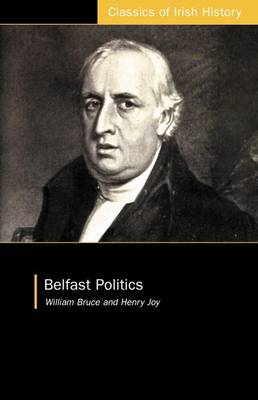
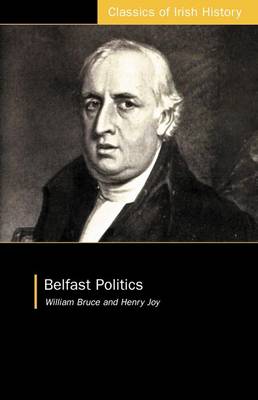
Belfast Politics, arguably one of the most important texts in modern Irish history, appeared in 1794 as a collection of twenty essays outlining a moderate political position in the increasingly polarised politics of 1790s Ireland. It contains the seeds of the so-called 'transformation' of so many late eighteenth-century Ulster radicals into the Unionists of the early nineteenth-century. Although sharing many of the political principles and much of the language which inspired the United Irishmen, including support for the American Revolution and the use of civic humanist and Enlightenment discourse, Bruce and Joy maintained that these ideas were consistent with, and best served within, the framework of the British constitution, and their book was unique in bringing an inclusive notion of 'Britishness' to the mainstream Irish reform movement.
Specificaties
Betrokkenen
- Auteur(s):
- Uitgeverij:
Inhoud
- Aantal bladzijden:
- 225
- Taal:
- Engels
- Reeks:
Eigenschappen
- Productcode (EAN):
- 9781904558217
- Verschijningsdatum:
- 1/12/2004
- Uitvoering:
- Paperback
- Formaat:
- Trade paperback (VS)
- Afmetingen:
- 126 mm x 187 mm
- Gewicht:
- 231 g


Alleen bij Standaard Boekhandel
+ 58 punten op je klantenkaart van Standaard Boekhandel
Cadeau

AANGERADEN


Beoordelingen
We publiceren alleen reviews die voldoen aan de voorwaarden voor reviews. Bekijk onze voorwaarden voor reviews.