



Bedankt voor het vertrouwen het afgelopen jaar! Om jou te bedanken bieden we GRATIS verzending (in België) aan op alles gedurende de hele maand januari.
- Afhalen na 1 uur in een winkel met voorraad
- In januari gratis thuislevering in België
- Ruim aanbod met 7 miljoen producten
Bedankt voor het vertrouwen het afgelopen jaar! Om jou te bedanken bieden we GRATIS verzending (in België) aan op alles gedurende de hele maand januari.
- Afhalen na 1 uur in een winkel met voorraad
- In januari gratis thuislevering in België
- Ruim aanbod met 7 miljoen producten





€ 15,65
+ 15 punten
Uitvoering
Omschrijving
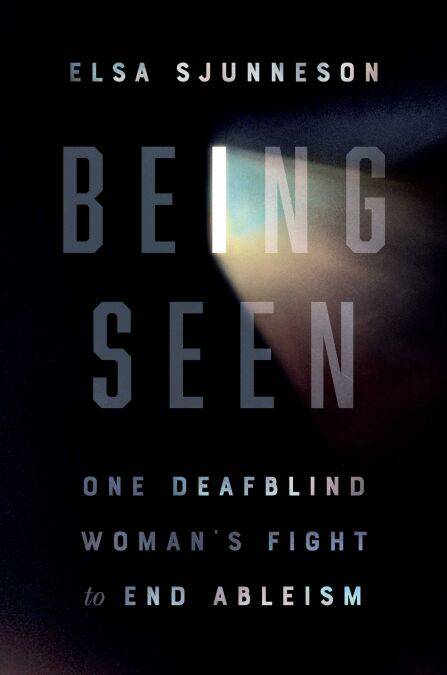
A deafblind writer and professor explores how the misrepresentation of disability in books, movies, and TV harms both the disabled community and everyone else.
As a deafblind woman with partial vision in one eye and bilateral hearing aids, Elsa Sjunneson lives at the crossroads of blindness and sight, hearing and deafness—much to the confusion of the world around her. While she cannot see well enough to operate without a guide dog or cane, she can see enough to know when someone is reacting to the visible signs of her blindness and can hear when they’re whispering behind her back. And she certainly knows how wrong our one-size-fits-all definitions of disability can be.
As a media studies professor, she’s also seen the full range of blind and deaf portrayals on film, and here she deconstructs their impact, following common tropes through horror, romance, and everything in between. Part memoir, part cultural criticism, part history of the deafblind experience, Being Seen explores how our cultural concept of disability is more myth than fact, and the damage it does to us all.
As a deafblind woman with partial vision in one eye and bilateral hearing aids, Elsa Sjunneson lives at the crossroads of blindness and sight, hearing and deafness—much to the confusion of the world around her. While she cannot see well enough to operate without a guide dog or cane, she can see enough to know when someone is reacting to the visible signs of her blindness and can hear when they’re whispering behind her back. And she certainly knows how wrong our one-size-fits-all definitions of disability can be.
As a media studies professor, she’s also seen the full range of blind and deaf portrayals on film, and here she deconstructs their impact, following common tropes through horror, romance, and everything in between. Part memoir, part cultural criticism, part history of the deafblind experience, Being Seen explores how our cultural concept of disability is more myth than fact, and the damage it does to us all.
Specificaties
Betrokkenen
- Auteur(s):
- Uitgeverij:
Inhoud
- Aantal bladzijden:
- 288
- Taal:
- Engels
Eigenschappen
- Productcode (EAN):
- 9781982152413
- Verschijningsdatum:
- 25/10/2021
- Uitvoering:
- E-book
- Beveiligd met:
- Adobe DRM
- Formaat:
- ePub


Alleen bij Standaard Boekhandel
+ 15 punten op je klantenkaart van Standaard Boekhandel
SOLDEN


Beoordelingen
We publiceren alleen reviews die voldoen aan de voorwaarden voor reviews. Bekijk onze voorwaarden voor reviews.