


- Afhalen na 1 uur in een winkel met voorraad
- Gratis thuislevering in België vanaf € 30
- Ruim aanbod met 7 miljoen producten
- Afhalen na 1 uur in een winkel met voorraad
- Gratis thuislevering in België vanaf € 30
- Ruim aanbod met 7 miljoen producten





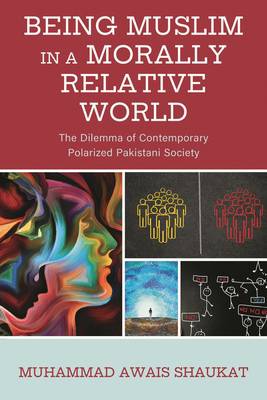
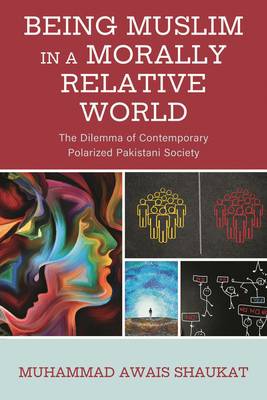
Being Muslim in a Morally Relative World
Muhammad Awais Shaukat
€ 152,95
+ 305 punten
Omschrijving
Being Muslim in a Morally Relative World: The Dilemma of Contemporary Polarized Pakistani Society examines the challenges faced by Islamic societies in the 21st century, particularly in Pakistan, as they navigate the influences of globalization and Western intellectual movements. Muhammad Awais Shaukat offers a detailed analysis comparing the Islamic value system with the concept of moral relativism, exploring how these contrasting ethical frameworks shape individual and societal behaviors, values, and beliefs. The book investigates the conflict between traditional Islamic morality, rooted in the Qur'an and Sunnah, which upholds absolute and objective values, and the relativistic, subjective morality emerging from post-modernism. By leveraging his multidisciplinary expertise, the author illustrates how these conflicting values have intensified polarization within Muslim societies, amplified by media and intellectual discourse. The book contributes not only to academic discourse but also offers practical insights for policymakers, educators, and community leaders, offering a framework for developing pathways toward social harmony and cohesion.
Specificaties
Betrokkenen
- Auteur(s):
- Uitgeverij:
Inhoud
- Aantal bladzijden:
- 146
- Taal:
- Engels
- Reeks:
Eigenschappen
- Productcode (EAN):
- 9781666966268
- Verschijningsdatum:
- 12/11/2024
- Uitvoering:
- Hardcover
- Formaat:
- Genaaid
- Afmetingen:
- 152 mm x 229 mm
- Gewicht:
- 367 g


Alleen bij Standaard Boekhandel
+ 305 punten op je klantenkaart van Standaard Boekhandel
Cadeau

AANGERADEN


Beoordelingen
We publiceren alleen reviews die voldoen aan de voorwaarden voor reviews. Bekijk onze voorwaarden voor reviews.