


- Afhalen na 1 uur in een winkel met voorraad
- Gratis thuislevering in België vanaf € 30
- Ruim aanbod met 7 miljoen producten
- Afhalen na 1 uur in een winkel met voorraad
- Gratis thuislevering in België vanaf € 30
- Ruim aanbod met 7 miljoen producten


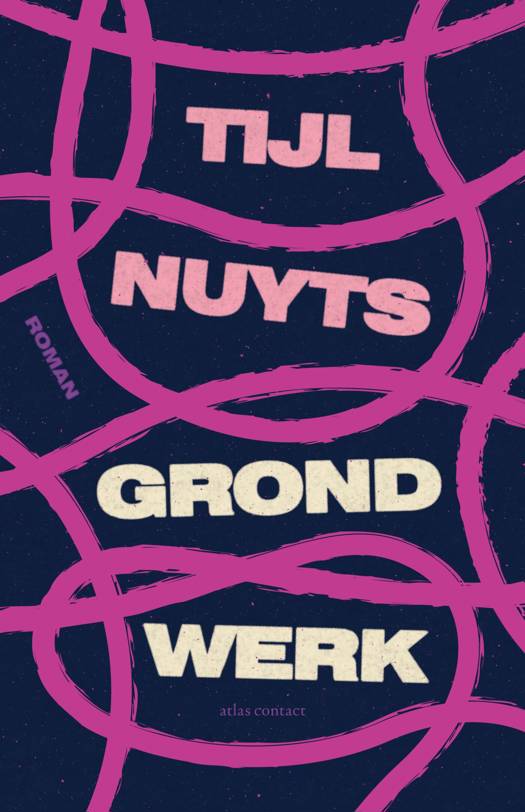


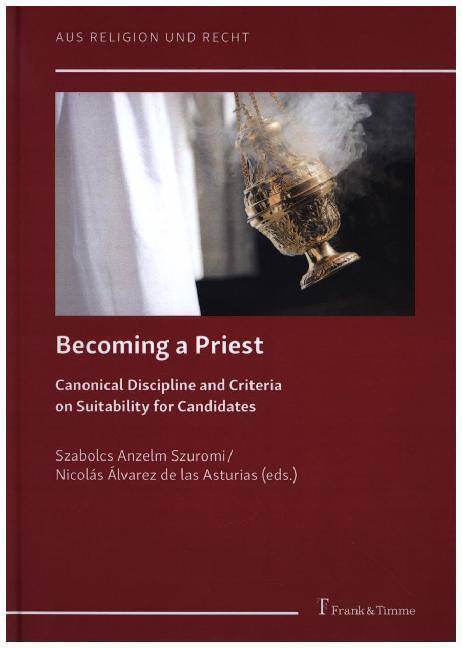
Becoming a Priest
Canonical Discipline and Criteria on Suitability for Candidates
€ 49,95
+ 99 punten
Omschrijving
Becoming a Priest focuses on the period between the establishment of the Church by Christ and the middle of the 12th century, when the ecclesiastical discipline necessary to preserve the original meaning, purpose and duties of sacred ministers was stablished. The belief that the Holy Order is received "as a gift" obliges the Church to respect and protect the integrity of the ministry. Sources show how the non- obligatory nature and the high moral requirements of the priesthood guaranteed, ever more seriously, a person's suitability to every degree of the Holy Order. Gratian's Decretum (12th c.) already gives a well balanced and thought-out explication of the qualities of the applicants for, the formation of, and the degrees of the sacred ministry, including the roles of bishops and priests to recognize, select and train those who feel themselves called to the priesthood, and have been be found suitable by the Church authorities. The Decretum Gratiani summarizes the essential basis for determining who is "worthy" to receive the ministry of Christ, and has been held as the authority in this regard for subsequent centuries.This present volume is the first extensive, and published, fruit of the International Canon Law History Research Center (Pázmány Péter Catholic University, Budapest). The primary aim of this center is to produce precise and accessible publications based on extensive research of sources and auxiliary materials. Our purpose is to make possible objective interpretation of those doctrinal and disciplinary texts which have emerged throughout the life and activity of the Church.
Specificaties
Betrokkenen
- Uitgeverij:
Inhoud
- Aantal bladzijden:
- 168
- Taal:
- Engels, Duits
- Reeks:
- Reeksnummer:
- nr. 22
Eigenschappen
- Productcode (EAN):
- 9783732905515
- Uitvoering:
- Hardcover
- Afmetingen:
- 155 mm x 217 mm
- Gewicht:
- 328 g

Alleen bij Standaard Boekhandel
+ 99 punten op je klantenkaart van Standaard Boekhandel
AANGERADEN


Beoordelingen
We publiceren alleen reviews die voldoen aan de voorwaarden voor reviews. Bekijk onze voorwaarden voor reviews.