


- Afhalen na 1 uur in een winkel met voorraad
- Gratis thuislevering in België vanaf € 30
- Ruim aanbod met 7 miljoen producten
- Afhalen na 1 uur in een winkel met voorraad
- Gratis thuislevering in België vanaf € 30
- Ruim aanbod met 7 miljoen producten





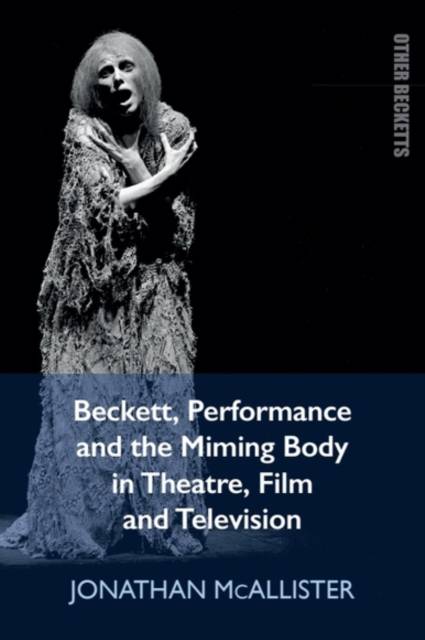
Beckett, Performance and the Miming Body in Theatre, Film and Television
Jonathan McAllister
€ 133,45
+ 266 punten
Omschrijving
Taking Beckett's mimes as a departure point, this book questions the value of his close attention to and choreography of the body for performance. It examines how Beckett's encounters with the traditions of twentieth-century French mime impacted his theatrical imagination and directorial practices, exploring his uses of the miming body across a wide range of postwar works for theatre, film and television. Investigating the significances of movement, gesture and posture, the study emphasises what is embodied, kinetic and performed in Beckett's work, keeping a steady gaze on the peculiarities of miming bodies to tease out and turn over their expressive capacities. Drawing on phenomenological philosophy, poststructural theory, performance analysis and historical literature, Jonathan McAllister argues that Beckett's dramatic works provide a bodily commentary on being in mid- to late twentieth-century Europe: they constitute an embodied philosophical inquiry into the questions and anxieties for a generation experiencing a profound crisis of meaning.
Specificaties
Betrokkenen
- Auteur(s):
- Uitgeverij:
Inhoud
- Aantal bladzijden:
- 248
- Taal:
- Engels
- Reeks:
Eigenschappen
- Productcode (EAN):
- 9781399551298
- Verschijningsdatum:
- 31/07/2026
- Uitvoering:
- Hardcover
- Formaat:
- Genaaid
- Afmetingen:
- 156 mm x 234 mm



Alleen bij Standaard Boekhandel
+ 266 punten op je klantenkaart van Standaard Boekhandel
Cadeau

AANGERADEN


Beoordelingen
We publiceren alleen reviews die voldoen aan de voorwaarden voor reviews. Bekijk onze voorwaarden voor reviews.