


- Afhalen na 1 uur in een winkel met voorraad
- Gratis thuislevering in België vanaf € 30
- Ruim aanbod met 7 miljoen producten
- Afhalen na 1 uur in een winkel met voorraad
- Gratis thuislevering in België vanaf € 30
- Ruim aanbod met 7 miljoen producten





€ 60,95
+ 121 punten
Uitvoering
Omschrijving
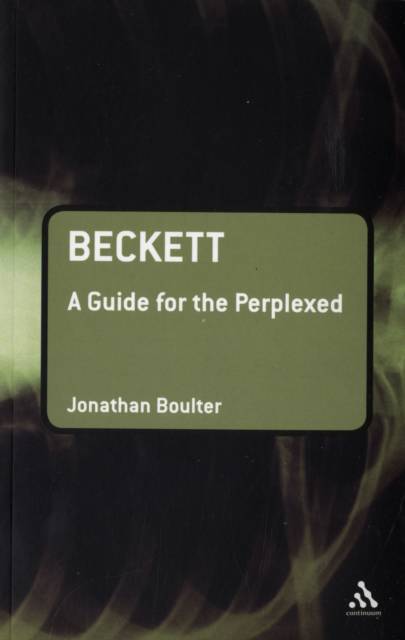
Samuel Beckett (1906-1989) is one of the most important twentieth century writers. Seen as both a modernist and postmodernist, his work has influenced generations of playwrights, novelists and poets. Despite his notorious difficulty, Beckett famously refused to offer his readers any help in interpreting his work. Beckett's texts examine key philosophical-humanist questions but his writing is challenging, perplexing and often intimidating for readers. This guide offers students reading Beckett a clear starting point from which to confront some of the most difficult plays and novels produced in the twentieth century, texts which often appear to work on the very edge of meaninglessness. Beginning with a general introduction to Beckett, his work and its contexts, the guide looks at each of the major genres in turn, analyzing key works chronologically. It explains why Beckett's texts can seem so impenetrable and confusing, and focuses on key questions and issues. Giving an accessible account of both the form and content of Beckett's work, this guide will enable students to begin to come to grips with this fascinating but daunting writer.
Specificaties
Betrokkenen
- Auteur(s):
- Uitgeverij:
Inhoud
- Aantal bladzijden:
- 200
- Taal:
- Engels
- Reeks:
Eigenschappen
- Productcode (EAN):
- 9780826481955
- Verschijningsdatum:
- 7/11/2008
- Uitvoering:
- Paperback
- Formaat:
- Trade paperback (VS)
- Afmetingen:
- 137 mm x 211 mm
- Gewicht:
- 272 g



Alleen bij Standaard Boekhandel
+ 121 punten op je klantenkaart van Standaard Boekhandel
Cadeau

AANGERADEN


Beoordelingen
We publiceren alleen reviews die voldoen aan de voorwaarden voor reviews. Bekijk onze voorwaarden voor reviews.