


- Afhalen na 1 uur in een winkel met voorraad
- Gratis thuislevering in België vanaf € 30
- Ruim aanbod met 7 miljoen producten
- Afhalen na 1 uur in een winkel met voorraad
- Gratis thuislevering in België vanaf € 30
- Ruim aanbod met 7 miljoen producten





€ 71,45
+ 142 punten
Omschrijving
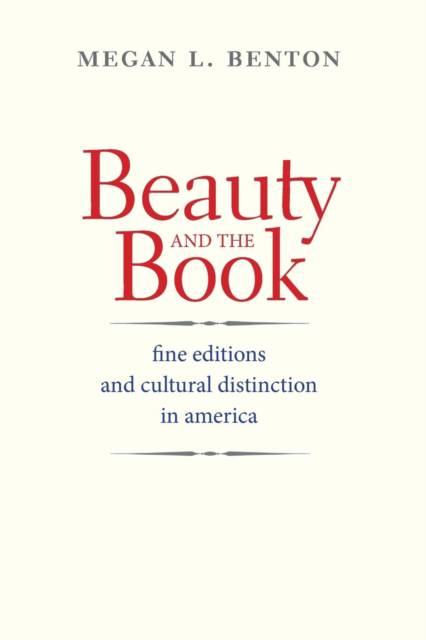
In post-World War I America-a world teeming with magazines, newspapers, radio broadcasts, and movies-many feared that the survival of traditional, serious books was in peril. This concern led to a publishing boom in fine editions-books valued primarily for their beauty, craftsmanship, extravagance, status, or scarcity. Beauty and the Book is a lively cultural history of the explosion in demand for these deluxe books during the 1920s and 1930s. Megan L. Benton argues that the clamor to own fine books reflected the anxieties and desires of those who mourned the rise of a modern mass culture. For them, such volumes not only affirmed a preindustrial ideal but also imparted social distinction and cultural superiority. Benton combines new archival research with a close examination of three hundred fine editions of the period. In theory, fine bookmakers were devoted to beauty and quality and were unwilling to compromise with machinery, popular taste, or concern for profit. But such ideal standards were nearly impossible to maintain. Paradoxically, fine publishers' ostensible indifference to commercial considerations was one of their most prized and lucrative products for sale. This book illuminates the interplay between the ideal and real nature of fine publishing as well as the complex nature of American cultural ambitions during this pivotal era.
Specificaties
Betrokkenen
- Auteur(s):
- Uitgeverij:
Inhoud
- Aantal bladzijden:
- 336
- Taal:
- Engels
- Reeks:
Eigenschappen
- Productcode (EAN):
- 9780300207477
- Verschijningsdatum:
- 24/01/2014
- Uitvoering:
- Paperback
- Formaat:
- Trade paperback (VS)
- Afmetingen:
- 156 mm x 234 mm
- Gewicht:
- 517 g


Alleen bij Standaard Boekhandel
+ 142 punten op je klantenkaart van Standaard Boekhandel
Cadeau

AANGERADEN


Beoordelingen
We publiceren alleen reviews die voldoen aan de voorwaarden voor reviews. Bekijk onze voorwaarden voor reviews.