


- Afhalen na 1 uur in een winkel met voorraad
- Gratis thuislevering in België vanaf € 30
- Ruim aanbod met 7 miljoen producten
- Afhalen na 1 uur in een winkel met voorraad
- Gratis thuislevering in België vanaf € 30
- Ruim aanbod met 7 miljoen producten





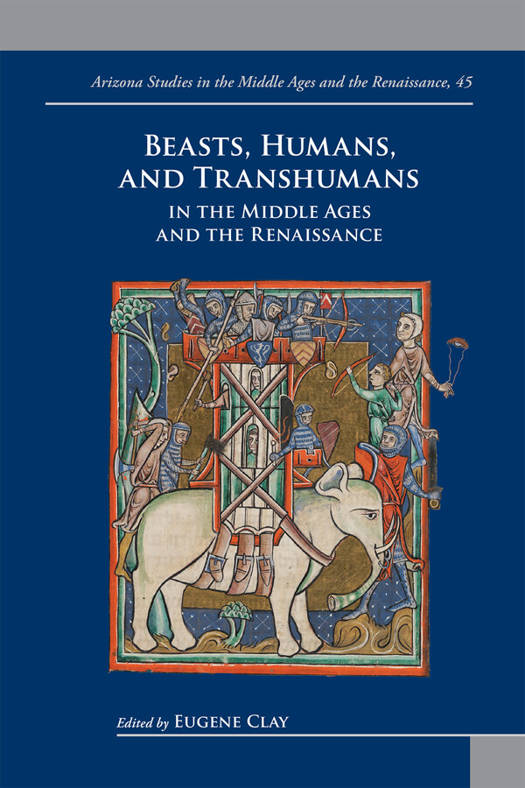
Beasts, Humans, and Transhumans in the Middle Ages and the Renaissance
Eugene Clay
€ 79,50
+ 159 punten
Omschrijving
From shape-shifting Merlin to the homunculi of Paracelsus, the nine fascinating essays of this collection explore the contested boundaries between human and non-human animals, between the body and the spirit, and between the demonic and the divine. Drawing on recent work in animal studies, posthumanism, and transhumanism, these innovative articles show how contemporary debates about the nature and future of humanity have deep roots in the myths, literature, philosophy, and art of the Middle Ages and the Renaissance. The authors of these essays demonstrate how classical stories of monsters and metamorphoses offered philosophers, artists, and poets a rich source for reflection on marriage, resurrection, and the passions of love. The ambiguous and shifting distinctions between human, animal, demon, and angel have long been contentious. Beasts can elevate humanity: for Renaissance courtiers, horsemanship defined nobility. But animals are also associated with the demonic, and medieval illuminators portrayed Satan with bestial features. Divided into three sections that examine metamorphoses, human-animal relations, and the demonic and monstrous, this volume raises intriguing questions about the ways humans have understood their kinship with animals, nature, and the supernatural.
Specificaties
Betrokkenen
- Auteur(s):
- Uitgeverij:
Inhoud
- Aantal bladzijden:
- 168
- Taal:
- Engels
- Reeks:
- Reeksnummer:
- nr. 45
Eigenschappen
- Productcode (EAN):
- 9782503590639
- Verschijningsdatum:
- 3/09/2020
- Uitvoering:
- Hardcover
- Formaat:
- Genaaid
- Afmetingen:
- 160 mm x 239 mm
- Gewicht:
- 498 g


Alleen bij Standaard Boekhandel
+ 159 punten op je klantenkaart van Standaard Boekhandel
Cadeau

AANGERADEN


Beoordelingen
We publiceren alleen reviews die voldoen aan de voorwaarden voor reviews. Bekijk onze voorwaarden voor reviews.