


- Afhalen na 1 uur in een winkel met voorraad
- Gratis thuislevering in België vanaf € 30
- Ruim aanbod met 7 miljoen producten
- Afhalen na 1 uur in een winkel met voorraad
- Gratis thuislevering in België vanaf € 30
- Ruim aanbod met 7 miljoen producten





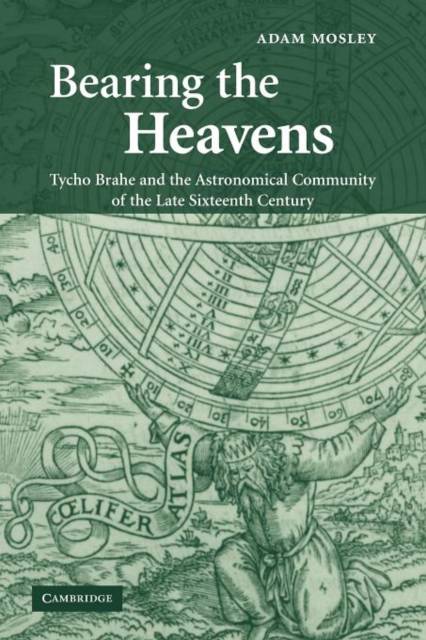
Bearing the Heavens
Tycho Brahe and the Astronomical Community of the Late Sixteenth Century
Adam Mosley
Paperback | Engels
€ 90,95
+ 181 punten
Uitvoering
Omschrijving
This book is a study of the astronomical culture of sixteenth-century Europe. It examines, in particular, the ways in which members of the nascent international astronomical community shared information, attracted patronage and respect for their work, and conducted their disputes. Particular attention is paid to the Danish astronomer Tycho Brahe (1546-1601), known for his observatory Uraniborg on the island of Hven, his operation of a printing press, and his development of a third world-system to rival those of Ptolemy and Copernicus. Adam Mosley examines the ways in which Tycho interacted with a Europe-wide network of scholars, looking not only at how he constructed his reputation through print, but also at his use of correspondence and the role that instruments played as vehicles for data and theories. The book will be of interest to historians of science, historians of the book, and historians of early modern culture in general.
Specificaties
Betrokkenen
- Auteur(s):
- Uitgeverij:
Inhoud
- Aantal bladzijden:
- 370
- Taal:
- Engels
Eigenschappen
- Productcode (EAN):
- 9781107403659
- Verschijningsdatum:
- 27/10/2011
- Uitvoering:
- Paperback
- Formaat:
- Trade paperback (VS)
- Afmetingen:
- 152 mm x 229 mm
- Gewicht:
- 494 g


Alleen bij Standaard Boekhandel
+ 181 punten op je klantenkaart van Standaard Boekhandel
CADEAU


Beoordelingen
We publiceren alleen reviews die voldoen aan de voorwaarden voor reviews. Bekijk onze voorwaarden voor reviews.