


- Afhalen na 1 uur in een winkel met voorraad
- Gratis thuislevering in België vanaf € 30
- Ruim aanbod met 7 miljoen producten
- Afhalen na 1 uur in een winkel met voorraad
- Gratis thuislevering in België vanaf € 30
- Ruim aanbod met 7 miljoen producten





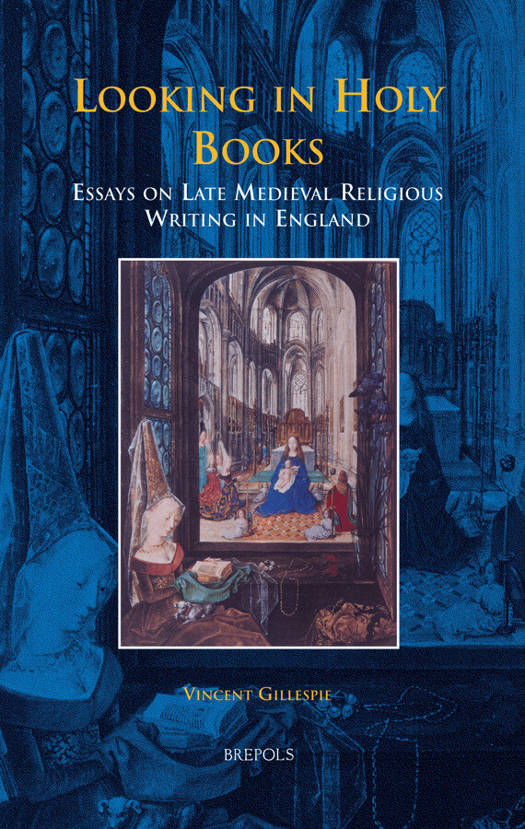
BCEEC 03 Looking in Holy Books
Essays on Late Medieval Religious Writing in England
Vincent Gillespie
€ 116,60
+ 233 punten
Omschrijving
Looking in Holy Books is what Vincent Gillespie has been doing in most of his publications over the last thirty years. The papers collected here circle around the decades either side of 1400, a period of febrile change in English religious culture. Ranging from pastoralia through to contemplative writing, the essays explore the production, transmission, and reception of religious books in later medieval England. They show how a working familiarity with the texts and manuscripts helps to build up a rich tilth of cultural loam in which larger ideas can take root and grow. Many were originally published in hard-to-access journals, and others have not been superseded by subsequent scholarship. The collection is divided into three themes. Part I, 'What to Read', considers the cultural framework surrounding medieval religious texts. Case studies including Piers Plowman and pastoral literature are used to explore ideas that were significant in the production of religious literature and that contribute to our understanding of why some texts were attached especial significance. Part II, on rumination, features essays on mystical texts and medieval reading practices. Spiritual miscellanies, vernacular religious writing, monastic libraries, and representations of the Passion all feature in fascinating and still vitally relevant studies into 'How to Read'. The third and final part, 'Writing the Ineffable', looks into the poetics of medieval religious writing. Studies of writings by mystics including Rolle and Julian of Norwich explore contexts for the portrayal and interpretation of the ineffable.
Specificaties
Betrokkenen
- Auteur(s):
- Uitgeverij:
Inhoud
- Aantal bladzijden:
- 368
- Taal:
- Engels
- Reeks:
- Reeksnummer:
- nr. 3
Eigenschappen
- Productcode (EAN):
- 9782503536873
- Verschijningsdatum:
- 18/04/2012
- Uitvoering:
- Hardcover
- Formaat:
- Genaaid
- Afmetingen:
- 163 mm x 241 mm
- Gewicht:
- 771 g


Alleen bij Standaard Boekhandel
+ 233 punten op je klantenkaart van Standaard Boekhandel
Cadeau

AANGERADEN


Beoordelingen
We publiceren alleen reviews die voldoen aan de voorwaarden voor reviews. Bekijk onze voorwaarden voor reviews.