


- Afhalen na 1 uur in een winkel met voorraad
- Gratis thuislevering in België vanaf € 30
- Ruim aanbod met 7 miljoen producten
- Afhalen na 1 uur in een winkel met voorraad
- Gratis thuislevering in België vanaf € 30
- Ruim aanbod met 7 miljoen producten





€ 67,95
+ 135 punten
Uitvoering
Omschrijving
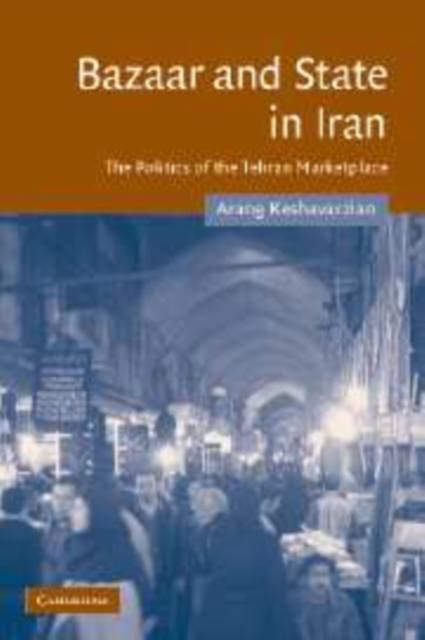
The Tehran Bazaar has always been central to the Iranian economy and indeed, to the Iranian urban experience. Arang Keshavarzian's fascinating book compares the economics and politics of the marketplace under the Pahlavis, who sought to undermine it in the drive for modernisation and under the subsequent revolutionary regime, which came to power with a mandate to preserve the bazaar as an 'Islamic' institution. The outcomes of their respective policies were completely at odds with their intentions. Despite the Shah's hostile approach, the bazaar flourished under his rule and maintained its organisational autonomy to such an extent that it played an integral role in the Islamic revolution. Conversely, the Islamic Republic implemented policies that unwittingly transformed the ways in which the bazaar operated, thus undermining its capacity for political mobilisation. Arang Keshavarizian's book affords unusual insights into the politics, economics and society of Iran across four decades.
Specificaties
Betrokkenen
- Auteur(s):
- Uitgeverij:
Inhoud
- Aantal bladzijden:
- 324
- Taal:
- Engels
- Reeks:
- Reeksnummer:
- nr. 26
Eigenschappen
- Productcode (EAN):
- 9780521103305
- Verschijningsdatum:
- 19/03/2009
- Uitvoering:
- Paperback
- Formaat:
- Trade paperback (VS)
- Afmetingen:
- 152 mm x 229 mm
- Gewicht:
- 476 g


Alleen bij Standaard Boekhandel
+ 135 punten op je klantenkaart van Standaard Boekhandel
CADEAU

AANGERADEN


Beoordelingen
We publiceren alleen reviews die voldoen aan de voorwaarden voor reviews. Bekijk onze voorwaarden voor reviews.