


- Afhalen na 1 uur in een winkel met voorraad
- Gratis thuislevering in België vanaf € 30
- Ruim aanbod met 7 miljoen producten
- Afhalen na 1 uur in een winkel met voorraad
- Gratis thuislevering in België vanaf € 30
- Ruim aanbod met 7 miljoen producten





€ 34,95
+ 69 punten
Omschrijving
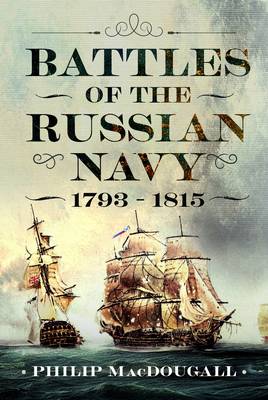
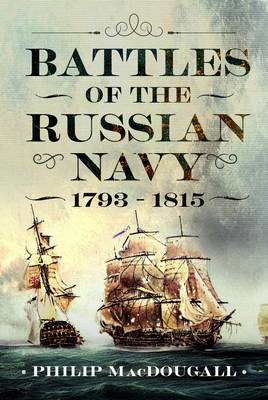
In the naval war fought against France between 1793 and 1815, the activities of the Russian navy have been substantially neglected by Western historians. This book seeks to redress this oversight. After Great Britain and France, Russia had, during these years, the world's third most powerful navy, with squadrons of warships primarily active in the Baltic, North Sea, Black Sea, Mediterranean and Adriatic.
Active in the war against Revolutionary France as an ally of Great Britain, the central theme of this book is that of evaluating the effectiveness of the Russian navy during those war time years, giving particular attention to its co-operation with the British Royal Navy in several campaigns. That some of the leading Russian naval officers had been cadets at the Portsmouth Naval Academy in England, and some of the Russian ships captained by officers recruited from within the British navy was an important factor in ensuring that those periods of co-operation often ran smoothly. But not always. On occasions, this early example of international naval co-operation was blighted by moments of friction and misunderstanding. However, the low point came during the reign of Paul I (r.1796-1801) when the two navies were effectively at war and Nelson fully contemplating a bombardment, similar to the one conducted on Copenhagen, of Russia's two most important naval bases, Tallinn and Kronstadt.
Viewing the Russian navy of this period as one fundamentally created by Catherine the Great (r.1762-96), its establishment by Peter the Great (r.1682-1725) and its original purpose is not ignored. Throughout, the book is informed by first hand writings and documents, many not available in Britain, these highlighting the tactics and strategies adopted by Russian commanders. Often played down by western naval historians, those strategies and tactics were often in advance of accepted naval doctrine, and achieved several notable victories. Not forgotten is the importance of the land-based infrastructure that was so essential in supporting Russia's seagoing navy, conditions of service on Russian ships and the nature of the command structure.
Active in the war against Revolutionary France as an ally of Great Britain, the central theme of this book is that of evaluating the effectiveness of the Russian navy during those war time years, giving particular attention to its co-operation with the British Royal Navy in several campaigns. That some of the leading Russian naval officers had been cadets at the Portsmouth Naval Academy in England, and some of the Russian ships captained by officers recruited from within the British navy was an important factor in ensuring that those periods of co-operation often ran smoothly. But not always. On occasions, this early example of international naval co-operation was blighted by moments of friction and misunderstanding. However, the low point came during the reign of Paul I (r.1796-1801) when the two navies were effectively at war and Nelson fully contemplating a bombardment, similar to the one conducted on Copenhagen, of Russia's two most important naval bases, Tallinn and Kronstadt.
Viewing the Russian navy of this period as one fundamentally created by Catherine the Great (r.1762-96), its establishment by Peter the Great (r.1682-1725) and its original purpose is not ignored. Throughout, the book is informed by first hand writings and documents, many not available in Britain, these highlighting the tactics and strategies adopted by Russian commanders. Often played down by western naval historians, those strategies and tactics were often in advance of accepted naval doctrine, and achieved several notable victories. Not forgotten is the importance of the land-based infrastructure that was so essential in supporting Russia's seagoing navy, conditions of service on Russian ships and the nature of the command structure.
Specificaties
Betrokkenen
- Auteur(s):
- Uitgeverij:
Inhoud
- Aantal bladzijden:
- 248
- Taal:
- Engels
Eigenschappen
- Productcode (EAN):
- 9781036136772
- Verschijningsdatum:
- 30/11/2026
- Uitvoering:
- Hardcover
- Formaat:
- Genaaid
- Afmetingen:
- 159 mm x 235 mm


Alleen bij Standaard Boekhandel
+ 69 punten op je klantenkaart van Standaard Boekhandel
Cadeau

AANGERADEN


Beoordelingen
We publiceren alleen reviews die voldoen aan de voorwaarden voor reviews. Bekijk onze voorwaarden voor reviews.