


- Afhalen na 1 uur in een winkel met voorraad
- Gratis thuislevering in België vanaf € 30
- Ruim aanbod met 7 miljoen producten
- Afhalen na 1 uur in een winkel met voorraad
- Gratis thuislevering in België vanaf € 30
- Ruim aanbod met 7 miljoen producten





€ 12,29
+ 12 punten
Omschrijving
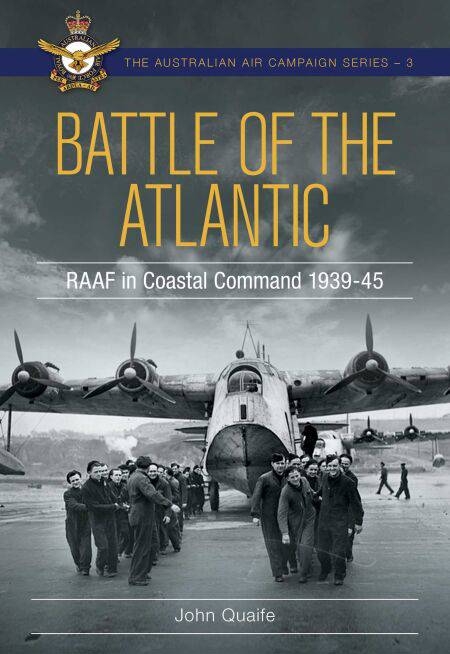
At the outbreak of World War II, somewhat by accident — and just as the first shots of the war were fired — young Australian airmen from the Royal Australian Air Force were engaged in operations that would become known collectively as the Battle of the Atlantic.
Arguably lesser-known than air campaigns in other theatres, large numbers of Australians who volunteered for service with Royal Australian Air Force, found themselves fighting in this battle. Australians were there at the outbreak and many would go on to fly some of the final missions of the war in Europe.
This book captures some of the experiences of the Royal Australian Air Force members who served with Coastal Command and, through the weight of numbers alone, stories of the Sunderland squadrons and the Battle of the Atlantic dominate the narrative. Being critical to Britain’s survival, the battle also dominated Coastal Command throughout the war but Australians served in a surprising variety of other roles. The nature of many of those tasks demanded persistence that could only be achieved by large numbers of young men and women being prepared to ‘do what it took’ to get a tedious and unrewarding job done. Over 400 did not come home.
Arguably lesser-known than air campaigns in other theatres, large numbers of Australians who volunteered for service with Royal Australian Air Force, found themselves fighting in this battle. Australians were there at the outbreak and many would go on to fly some of the final missions of the war in Europe.
This book captures some of the experiences of the Royal Australian Air Force members who served with Coastal Command and, through the weight of numbers alone, stories of the Sunderland squadrons and the Battle of the Atlantic dominate the narrative. Being critical to Britain’s survival, the battle also dominated Coastal Command throughout the war but Australians served in a surprising variety of other roles. The nature of many of those tasks demanded persistence that could only be achieved by large numbers of young men and women being prepared to ‘do what it took’ to get a tedious and unrewarding job done. Over 400 did not come home.
Specificaties
Betrokkenen
- Auteur(s):
- Uitgeverij:
Inhoud
- Aantal bladzijden:
- 180
- Taal:
- Engels
- Reeks:
Eigenschappen
- Productcode (EAN):
- 9781922615992
- Verschijningsdatum:
- 29/03/2022
- Uitvoering:
- E-book
- Beveiligd met:
- Adobe DRM
- Formaat:
- ePub


Alleen bij Standaard Boekhandel
+ 12 punten op je klantenkaart van Standaard Boekhandel
Cadeau

AANGERADEN


Beoordelingen
We publiceren alleen reviews die voldoen aan de voorwaarden voor reviews. Bekijk onze voorwaarden voor reviews.