



Je cadeautjes zeker op tijd in huis hebben voor de feestdagen? Kom langs in onze winkels en vind het perfecte geschenk!
- Afhalen na 1 uur in een winkel met voorraad
- Gratis thuislevering in België vanaf € 30
- Ruim aanbod met 7 miljoen producten
Je cadeautjes zeker op tijd in huis hebben voor de feestdagen? Kom langs in onze winkels en vind het perfecte geschenk!
- Afhalen na 1 uur in een winkel met voorraad
- Gratis thuislevering in België vanaf € 30
- Ruim aanbod met 7 miljoen producten





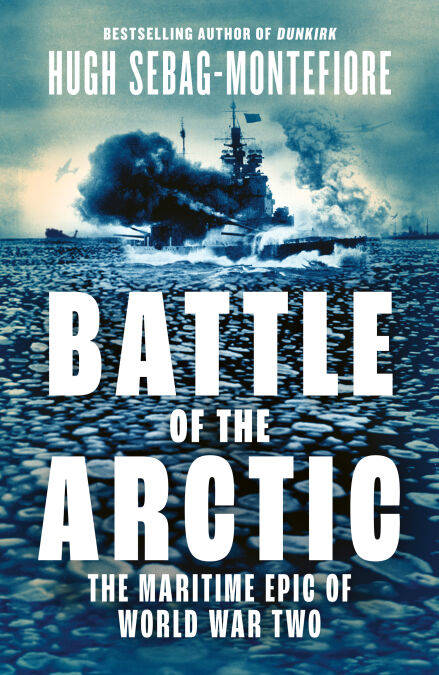
Battle of the Arctic E-BOOK
The Maritime Epic of World War Two
Hugh Sebag-Montefiore
E-book | Engels
€ 21,76
+ 21 punten
Uitvoering
Omschrijving
WINSTON CHURCHILL called it ‘the worst journey in the world’. But was even this telling quote, describing the nightmarish torment experienced while transporting military aid to northern Russia during World War Two, an understatement?
As this book’s title implies, Battle of the Arctic tells a unique story. For much of the conflict was complicated by terrific storms, snow, ice, fog, whales and Arctic mirages, so that what is chronicled at times sounds like a cross between the nightmarish torment experienced by both Shackleton in his ship Endurance and Scott of the Antarctic, and an Arctic version of Robinson Crusoe.
The action unfolded as Allied naval and merchant seamen, airmen, submariners, soldiers and intelligence officers delivered on their countries’ promise to take arms to Russia notwithstanding the German attempts to hunt them in their aircraft, U-boats and surface fleet spearheaded by Tirpitz and Scharnhorst. When ships were attacked, and went down in seas so cold that a man could die after five minutes of immersion, it triggered events reminiscent of the do-or-die moments during the sinking of the Titanic. Men perished one by one in lifeboats, and as castaways on deserted Arctic islands where they were stalked by polar bears. Frostbitten and wounded survivors ended up in primitive Russian hospitals where amputations were carried out without anesthetics. Others, while stranded for months in the communist state they were aiding, experienced the murky worlds of the NKVD, and the gulag, as well as famine and prostitution.
Using new material unearthed in American, British, Russian and German archives, as well as Polish, Norwegian, French and Dutch sources, and a remarkable collection of vivid witness accounts brought together at the passing of the last survivors, Hugh Sebag-Montefiore can at last shine a revealing light on this extraordinary tale that oscillates between the sailors’ eye view on the front line, and the controversies that infuriated world leaders.
As this book’s title implies, Battle of the Arctic tells a unique story. For much of the conflict was complicated by terrific storms, snow, ice, fog, whales and Arctic mirages, so that what is chronicled at times sounds like a cross between the nightmarish torment experienced by both Shackleton in his ship Endurance and Scott of the Antarctic, and an Arctic version of Robinson Crusoe.
The action unfolded as Allied naval and merchant seamen, airmen, submariners, soldiers and intelligence officers delivered on their countries’ promise to take arms to Russia notwithstanding the German attempts to hunt them in their aircraft, U-boats and surface fleet spearheaded by Tirpitz and Scharnhorst. When ships were attacked, and went down in seas so cold that a man could die after five minutes of immersion, it triggered events reminiscent of the do-or-die moments during the sinking of the Titanic. Men perished one by one in lifeboats, and as castaways on deserted Arctic islands where they were stalked by polar bears. Frostbitten and wounded survivors ended up in primitive Russian hospitals where amputations were carried out without anesthetics. Others, while stranded for months in the communist state they were aiding, experienced the murky worlds of the NKVD, and the gulag, as well as famine and prostitution.
Using new material unearthed in American, British, Russian and German archives, as well as Polish, Norwegian, French and Dutch sources, and a remarkable collection of vivid witness accounts brought together at the passing of the last survivors, Hugh Sebag-Montefiore can at last shine a revealing light on this extraordinary tale that oscillates between the sailors’ eye view on the front line, and the controversies that infuriated world leaders.
Specificaties
Betrokkenen
- Auteur(s):
- Uitgeverij:
Inhoud
- Aantal bladzijden:
- 832
- Taal:
- Engels
Eigenschappen
- Productcode (EAN):
- 9780008335793
- Verschijningsdatum:
- 5/11/2025
- Uitvoering:
- E-book
- Beveiligd met:
- Adobe DRM
- Formaat:
- ePub


Alleen bij Standaard Boekhandel
+ 21 punten op je klantenkaart van Standaard Boekhandel
CADEAU


Beoordelingen
We publiceren alleen reviews die voldoen aan de voorwaarden voor reviews. Bekijk onze voorwaarden voor reviews.