


- Afhalen na 1 uur in een winkel met voorraad
- Gratis thuislevering in België vanaf € 30
- Ruim aanbod met 7 miljoen producten
- Afhalen na 1 uur in een winkel met voorraad
- Gratis thuislevering in België vanaf € 30
- Ruim aanbod met 7 miljoen producten





€ 24,59
+ 24 punten
Uitvoering
Omschrijving
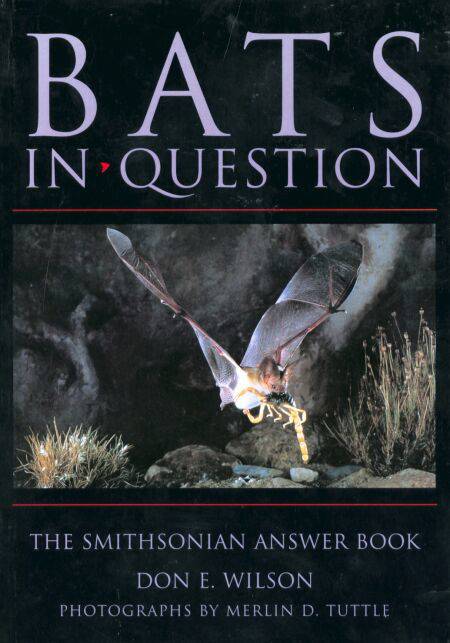
Long the subject of myth and superstition, bats have been among the most misunderstood of mammals due to their nocturnal habits, capacity for flight, and strange appearance. Seeking to dispel the myths associated with these remarkable creatures and arguing for their key role in a balanced ecosystem, Bats in Question covers all aspects of bat biology in a practical question-and-answer format.
Describing where bats live, how they use echolocation to navigate, and even why they hang upside down, the book also gives the conservation status of all 925 bat species. Don E. Wilson traces the evolution of bats and shows their remarkable diversity by describing each of the major groups in terms of their different body structures and habitats. He sheds light on bats' complex social systems, extraordinary variation in size, and food preferences that encompass plants, insects, and mammals. The book also explores cultural attitudes about bats—telling how, until recently, bats had been relegated to the world of vampires and how they have emerged to take their place in public awareness as important and fascinating members of our ecosystems.
Describing where bats live, how they use echolocation to navigate, and even why they hang upside down, the book also gives the conservation status of all 925 bat species. Don E. Wilson traces the evolution of bats and shows their remarkable diversity by describing each of the major groups in terms of their different body structures and habitats. He sheds light on bats' complex social systems, extraordinary variation in size, and food preferences that encompass plants, insects, and mammals. The book also explores cultural attitudes about bats—telling how, until recently, bats had been relegated to the world of vampires and how they have emerged to take their place in public awareness as important and fascinating members of our ecosystems.
Specificaties
Betrokkenen
- Auteur(s):
- Uitgeverij:
Inhoud
- Aantal bladzijden:
- 192
- Taal:
- Engels
Eigenschappen
- Productcode (EAN):
- 9781588345110
- Verschijningsdatum:
- 9/03/2015
- Uitvoering:
- E-book
- Beveiligd met:
- Adobe DRM
- Formaat:
- ePub


Alleen bij Standaard Boekhandel
+ 24 punten op je klantenkaart van Standaard Boekhandel
AANGERADEN


Beoordelingen
We publiceren alleen reviews die voldoen aan de voorwaarden voor reviews. Bekijk onze voorwaarden voor reviews.