


- Afhalen na 1 uur in een winkel met voorraad
- Gratis thuislevering in België vanaf € 30
- Ruim aanbod met 7 miljoen producten
- Afhalen na 1 uur in een winkel met voorraad
- Gratis thuislevering in België vanaf € 30
- Ruim aanbod met 7 miljoen producten





€ 41,45
+ 82 punten
Omschrijving
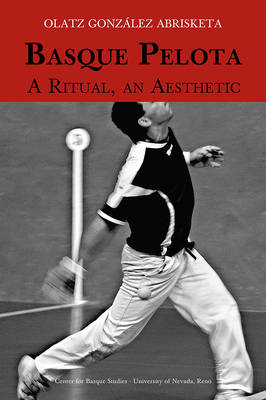
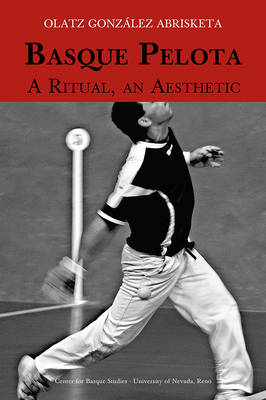
The game of pelota is, as Wilhelm von Humboldt described it, "the principal festival of the Basques," and is, for Pío Baroja, "the Basque game par excellence." Indeed, as Olatz González Abrisketa aptly demonstrates in Basque Pelota: A Ritual, an Aesthetic, pelota is one of the most revealing frameworks of meaning and understanding of the Basque imaginary. By digging into the historic, symbolic, and even mythological roots of the sport, and by describing interconnected webs of meaning in the various domains of social, juridical, bodily, and imaginative experience, she shows how pelota constitutes a ritualized action that both stages and repairs social antagonisms by offering a "deep play" that prevents violent conflict and implies a paramount cultural transformation for the Basques. Furthermore, she shows that the joko or "argon" of pelota has a foundational rose in culture; the metaphoric extensions of "hand," "pelota," and "body"; and how the fronton or plaza is the Basque public space par excellence and a monument to the community's memory.
Specificaties
Betrokkenen
- Auteur(s):
- Uitgeverij:
Inhoud
- Aantal bladzijden:
- 327
- Taal:
- Engels
- Reeks:
Eigenschappen
- Productcode (EAN):
- 9781935709312
- Verschijningsdatum:
- 1/01/2013
- Uitvoering:
- Paperback
- Formaat:
- Trade paperback (VS)
- Afmetingen:
- 230 mm x 152 mm
- Gewicht:
- 496 g


Alleen bij Standaard Boekhandel
+ 82 punten op je klantenkaart van Standaard Boekhandel
Cadeau

AANGERADEN


Beoordelingen
We publiceren alleen reviews die voldoen aan de voorwaarden voor reviews. Bekijk onze voorwaarden voor reviews.