


- Afhalen na 1 uur in een winkel met voorraad
- Gratis thuislevering in België vanaf € 30
- Ruim aanbod met 7 miljoen producten
- Afhalen na 1 uur in een winkel met voorraad
- Gratis thuislevering in België vanaf € 30
- Ruim aanbod met 7 miljoen producten





€ 34,95
+ 69 punten
Uitvoering
Omschrijving
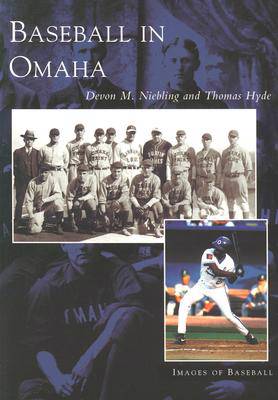
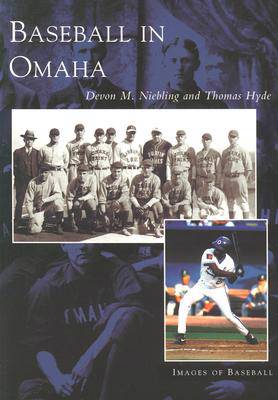
Professional baseball history in Omaha began in 1869 when the Cincinnati Red Stockings came to town, besting local teams 65-1 and 56-3, and touching off a barnstorming tradition that would bring Ty Cobb, Babe Ruth, Lou Gehrig and others over the years to League Park, Brown Park, and Municipal Stadium (later rededicated as Rosenblatt Stadium). Omaha became part of the Western League in 1895. William Pa Rourke's League Park at 20th and Vinton became Omaha's first municipal ballpark in 1911 and the center of professional Omaha baseball until its destruction by fire in 1936. The 1940s and early 1950s saw the Omaha Cardinals play as part of the Western League and American Association, with the Dodgers appearing briefly in the early 60s. Since 1969, Omaha has been home for the Kansas City Royals AAA team. Since 1950, Omaha has hosted the NCAA College World Series. But Omaha baseball is also about the sandlots and games played at Riverview Park, Benson Park, Fontenelle Park, Brown Park, Athletic Park, and Burdette Park; about the Packing houses, breweries, restaurants, car dealerships, and insurance companies that have sponsored teams; and about neighborhood teams battling for bragging rights and the high school players who were immortalized in Robert Phipps' columns in the Omaha World Herald.
Specificaties
Betrokkenen
- Auteur(s):
- Uitgeverij:
Inhoud
- Aantal bladzijden:
- 128
- Taal:
- Engels
- Reeks:
Eigenschappen
- Productcode (EAN):
- 9780738532769
- Verschijningsdatum:
- 15/09/2004
- Uitvoering:
- Paperback
- Formaat:
- Trade paperback (VS)
- Afmetingen:
- 164 mm x 233 mm
- Gewicht:
- 312 g


Alleen bij Standaard Boekhandel
+ 69 punten op je klantenkaart van Standaard Boekhandel
Wedstrijd


Beoordelingen
We publiceren alleen reviews die voldoen aan de voorwaarden voor reviews. Bekijk onze voorwaarden voor reviews.