


- Afhalen na 1 uur in een winkel met voorraad
- Gratis thuislevering in België vanaf € 30
- Ruim aanbod met 7 miljoen producten
- Afhalen na 1 uur in een winkel met voorraad
- Gratis thuislevering in België vanaf € 30
- Ruim aanbod met 7 miljoen producten





€ 222,95
+ 445 punten
Omschrijving
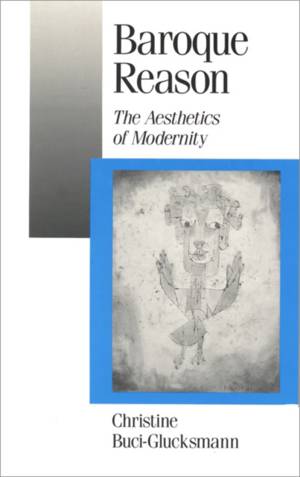
In this fascinating book, Christine Buci-Glucksmann explores the condition of modernity-alienation, melancholy, and nostalgia-through the writing of a number of philosophers, including the social and aesthetic writings of Walter Benjamin. In her rich discussion, she focuses on the ways in which social realities can be represented, and in particular with how modernity might be represented. Moreover, she examines how the great 20th-century thinkers like Nietzsche, Adorno, Musil, Barthes, and Lacan--in spite of their many differences-are seen to constitute a baroque paradigm. Finally, her extraordinary exposition of a baroque reason for modernity sheds new light on a number of themes central to modern social theory-the critique of instrumental rationality, the political crisis of socialism, the loss of community and of innocence with the development of industrialization, and the impact of relativism on realist theories of knowledge This powerful book is essential reading for all those interested in cultural, social, feminist, and literary theory.
Specificaties
Betrokkenen
- Auteur(s):
- Uitgeverij:
Inhoud
- Aantal bladzijden:
- 192
- Taal:
- Engels
- Reeks:
- Reeksnummer:
- nr. 28
Eigenschappen
- Productcode (EAN):
- 9780803989764
- Verschijningsdatum:
- 31/03/1994
- Uitvoering:
- Paperback
- Formaat:
- Trade paperback (VS)
- Afmetingen:
- 137 mm x 212 mm
- Gewicht:
- 226 g


Alleen bij Standaard Boekhandel
+ 445 punten op je klantenkaart van Standaard Boekhandel
Cadeau

AANGERADEN


Beoordelingen
We publiceren alleen reviews die voldoen aan de voorwaarden voor reviews. Bekijk onze voorwaarden voor reviews.