


- Afhalen na 1 uur in een winkel met voorraad
- Gratis thuislevering in België vanaf € 30
- Ruim aanbod met 7 miljoen producten
- Afhalen na 1 uur in een winkel met voorraad
- Gratis thuislevering in België vanaf € 30
- Ruim aanbod met 7 miljoen producten





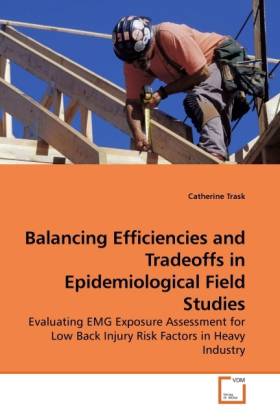
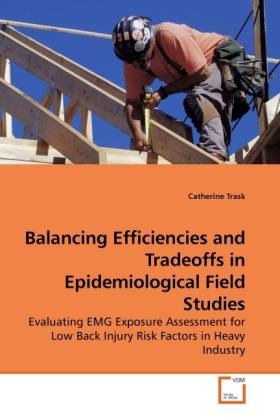
Balancing Efficiencies and Tradeoffs in Epidemiological Field Studies
Evaluating EMG Exposure Assessment for Low Back Injury Risk Factors in Heavy Industry
Catherine Trask
Paperback | Engels
€ 101,45
+ 202 punten
Omschrijving
In order to investigate work-related back injuries, researchers need efficient, accurate occupational exposure assessment methods suitable for large samples. This book examines critical decisions for measuring physical workload: How should exposure be measured? For what duration? Who should be measured, and how many times? To answer these questions, low-back electromyography (EMG) was collected during 138 full-shift field measurements over 30 different job titles at 50 different worksites in 5 heavy industries: forestry, transportation, wood products, construction, and warehousing. Observations and self-reports of working exposures were collected concurrently. Among the results emerges a theme of optimizing the choices for study design and sampling strategy. The ubiquitous constraints of budget and access to industrial populations require tradeoffs between using a highly accurate exposure assessment method on a few people or a less precise method on a larger number of people, between measurement duration and sample size, and between measuring many individuals or repeats within individuals. The results presented help inform risk guidelines, policy, and efforts to control exposure.
Specificaties
Betrokkenen
- Auteur(s):
- Uitgeverij:
Inhoud
- Aantal bladzijden:
- 184
- Taal:
- Engels
Eigenschappen
- Productcode (EAN):
- 9783639208696
- Verschijningsdatum:
- 10/11/2009
- Uitvoering:
- Paperback
- Afmetingen:
- 152 mm x 229 mm
- Gewicht:
- 277 g


Alleen bij Standaard Boekhandel
+ 202 punten op je klantenkaart van Standaard Boekhandel
Cadeau

AANGERADEN


Beoordelingen
We publiceren alleen reviews die voldoen aan de voorwaarden voor reviews. Bekijk onze voorwaarden voor reviews.