


- Afhalen na 1 uur in een winkel met voorraad
- Gratis thuislevering in België vanaf € 30
- Ruim aanbod met 7 miljoen producten
- Afhalen na 1 uur in een winkel met voorraad
- Gratis thuislevering in België vanaf € 30
- Ruim aanbod met 7 miljoen producten





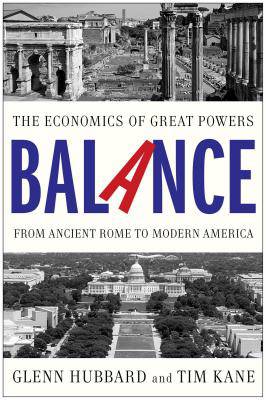
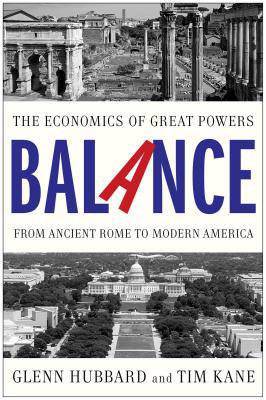
Balance
The Economics of Great Powers from Ancient Rome to Modern America
Glenn Hubbard, Tim Kane
Paperback | Engels
€ 31,95
+ 63 punten
Uitvoering
Omschrijving
"Hubbard and Kane synthesize economics, politics, and psychology to develop a new audacious theory of why countries decline. Compulsory reading for anyone who wants to understand the major issues that America now faces" (James Robinson, coauthor of Why Nations Fail).From the Ming Dynasty to Ottoman Turkey to imperial Spain, the Great Powers of the world emerged as the supreme economic, political, and military forces of their time--only to collapse into rubble and memory. What is at the root of their demise, and how can the United States stop it from happening again? A quarter century after Paul Kennedy's The Rise and Fall of the Great Powers, Glenn Hubbard and Tim Kane present a bold, sweeping account of why powerful nations and civilizations break down under the heavy burden of economic imbalance. Introducing a profound new measure of economic power, Balance traces the triumphs and mistakes of imperial Britain, the paradox of superstate California, the long collapse of Rome, and the limits of the Japanese model of growth. Most importantly, Hubbard and Kane compare the twenty-first-century United States to the empires of old and challenge Americans to address the real problems of our country's fiscal imbalance. If there is not a new economics and politics of balance, they portend that inevitable demise is ahead. This is more than another analysis of our nation's economy; it is a groundbreaking look at the patterns of the past and a "thought-provoking analysis that has compelling relevance for America's future" (Nobel Peace Prize-winner Henry A. Kissinger).
Specificaties
Betrokkenen
- Auteur(s):
- Uitgeverij:
Inhoud
- Aantal bladzijden:
- 368
- Taal:
- Engels
Eigenschappen
- Productcode (EAN):
- 9781476700267
- Verschijningsdatum:
- 20/05/2014
- Uitvoering:
- Paperback
- Formaat:
- Trade paperback (VS)
- Afmetingen:
- 140 mm x 211 mm
- Gewicht:
- 340 g


Alleen bij Standaard Boekhandel
+ 63 punten op je klantenkaart van Standaard Boekhandel
Cadeau

AANGERADEN


Beoordelingen
We publiceren alleen reviews die voldoen aan de voorwaarden voor reviews. Bekijk onze voorwaarden voor reviews.