


- Afhalen na 1 uur in een winkel met voorraad
- Gratis thuislevering in België vanaf € 30
- Ruim aanbod met 7 miljoen producten
- Afhalen na 1 uur in een winkel met voorraad
- Gratis thuislevering in België vanaf € 30
- Ruim aanbod met 7 miljoen producten





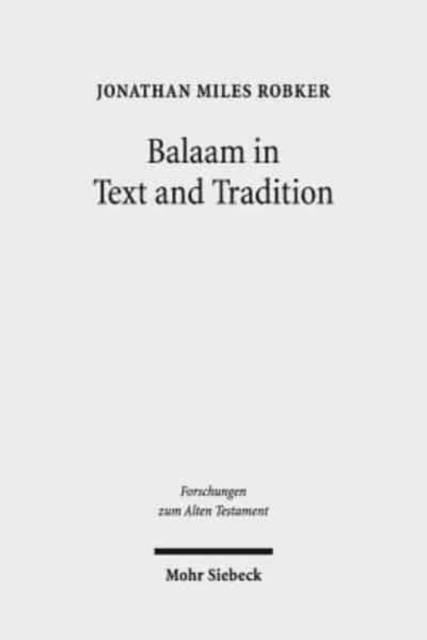
Balaam in Text and Tradition
Jonathan Miles Robker
€ 151,45
+ 302 punten
Omschrijving
The figure Balaam has interested exegetes and scribes for millennia. Jonathan Miles Robker examines the different versions of the literary character Balaam as attested in biblical and epigraphic literature. By contrasting the distinct information about Balaam presented in the various sources (the plaster inscription from Della, Numbers 22-24; 31; Deuteronomy 23; Joshua 13; 24; Judges 11; Micah 6; and Nehemiah 13), the author seeks to trace the development of characterizations of Balaam from the oldest available material to the youngest in the Hebrew Bible. In this way, Jonathan Miles Robker advances discourse about the literary and tradition-historical development of the texts that became the Hebrew Bible. Beyond the text of the Hebrew Bible, he also traces the continued development of Balaam's characterization through the texts of Qumran and the New Testament. To this end, the author contributes discussions of the history of religion in Antiquity.
Specificaties
Betrokkenen
- Auteur(s):
- Uitgeverij:
Inhoud
- Aantal bladzijden:
- 402
- Taal:
- Engels
- Reeks:
- Reeksnummer:
- nr. 131
Eigenschappen
- Productcode (EAN):
- 9783161563553
- Verschijningsdatum:
- 1/08/2019
- Uitvoering:
- Hardcover
- Formaat:
- Genaaid
- Afmetingen:
- 167 mm x 232 mm
- Gewicht:
- 948 g


Alleen bij Standaard Boekhandel
+ 302 punten op je klantenkaart van Standaard Boekhandel
Cadeau

AANGERADEN


Beoordelingen
We publiceren alleen reviews die voldoen aan de voorwaarden voor reviews. Bekijk onze voorwaarden voor reviews.