


- Afhalen na 1 uur in een winkel met voorraad
- Gratis thuislevering in België vanaf € 30
- Ruim aanbod met 7 miljoen producten
- Afhalen na 1 uur in een winkel met voorraad
- Gratis thuislevering in België vanaf € 30
- Ruim aanbod met 7 miljoen producten





€ 220,45
+ 440 punten
Omschrijving
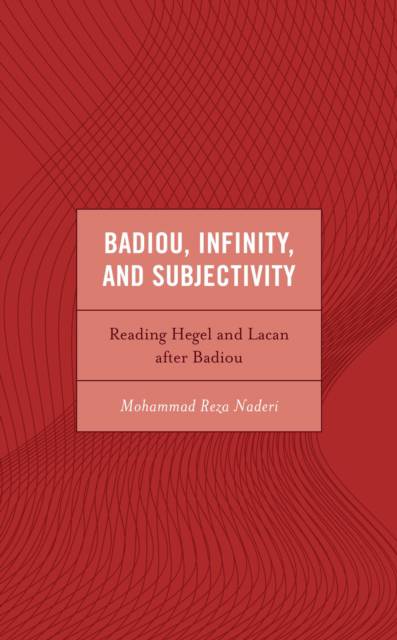
In Badiou, Infinity, and Subjectivity: Reading Hegel and Lacan after Badiou, Mohammad Reza Naderi elaborates on the trajectory of Alain Badiou's philosophy by following a leading thread: the dominance of axiomatic thought and the category of mathematical infinity. According to this primary proposition, axiomatic thought is the only form of thinking adequate to the infinity of being. Using both primary and secondary literature, the author demonstrates two other major propositions: 1) The coherence of Badiou's intellectual development from the early interventions to the publication of Being and Event, and 2) The formation of a theory Naderi calls "discipline." By working through three dimensions of disciplinary thinking--interiority, novelty, and beginning--Naderi provides a new framework for understanding the inner structure of what Badiou calls "procedures of truths" and develops a new interpretation that ultimately reveals the inner logic of Badiou's method.
Specificaties
Betrokkenen
- Auteur(s):
- Uitgeverij:
Inhoud
- Aantal bladzijden:
- 350
- Taal:
- Engels
- Reeks:
Eigenschappen
- Productcode (EAN):
- 9781666931044
- Verschijningsdatum:
- 20/12/2023
- Uitvoering:
- Hardcover
- Formaat:
- Genaaid
- Afmetingen:
- 152 mm x 229 mm
- Gewicht:
- 680 g


Alleen bij Standaard Boekhandel
+ 440 punten op je klantenkaart van Standaard Boekhandel
Cadeau

AANGERADEN


Beoordelingen
We publiceren alleen reviews die voldoen aan de voorwaarden voor reviews. Bekijk onze voorwaarden voor reviews.