


- Afhalen na 1 uur in een winkel met voorraad
- Gratis thuislevering in België vanaf € 30
- Ruim aanbod met 7 miljoen producten
- Afhalen na 1 uur in een winkel met voorraad
- Gratis thuislevering in België vanaf € 30
- Ruim aanbod met 7 miljoen producten





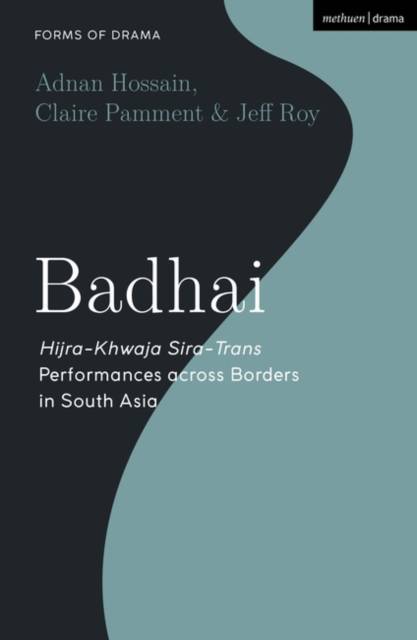
Badhai
Hijra-Khwaja Sira-Trans Performance Across Borders in South Asia
Adnan Hossain, Claire Pamment, Jeff Roy
€ 161,45
+ 322 punten
Omschrijving
This is the first full-length book to provide an introduction to badhai performances throughout South Asia, examining their characteristics and relationships to differing contexts in Bangladesh, India, and Pakistan. Badhai's repertoires of songs, dances, prayers, and comic repartee are performed by socially marginalised hijra, khwaja sira, and trans communities. They commemorate weddings, births and other celebratory heteronormative events. The form is improvisational and responds to particular contexts, but also moves across borders, including those of nation, religion, genre, and identity.
This collaboratively authored book draws from anthropology, theatre and performance studies, music and sound studies, ethnomusicology, queer and transgender studies, and sustained ethnographic fieldwork to examine badhai's place-based dynamics, transcultural features, and communications across the hijrascape. This vital study explores the form's changing status and analyses these performances' layered, scalar, and sensorial practices, to extend ways of understanding hijra-khwaja sira-trans performance.Specificaties
Betrokkenen
- Auteur(s):
- Uitgeverij:
Inhoud
- Aantal bladzijden:
- 176
- Taal:
- Engels
- Reeks:
Eigenschappen
- Productcode (EAN):
- 9781350174535
- Verschijningsdatum:
- 1/12/2022
- Uitvoering:
- Hardcover
- Formaat:
- Genaaid
- Afmetingen:
- 127 mm x 203 mm
- Gewicht:
- 335 g



Alleen bij Standaard Boekhandel
+ 322 punten op je klantenkaart van Standaard Boekhandel
Cadeau

AANGERADEN


Beoordelingen
We publiceren alleen reviews die voldoen aan de voorwaarden voor reviews. Bekijk onze voorwaarden voor reviews.