


- Afhalen na 1 uur in een winkel met voorraad
- Gratis thuislevering in België vanaf € 30
- Ruim aanbod met 7 miljoen producten
- Afhalen na 1 uur in een winkel met voorraad
- Gratis thuislevering in België vanaf € 30
- Ruim aanbod met 7 miljoen producten





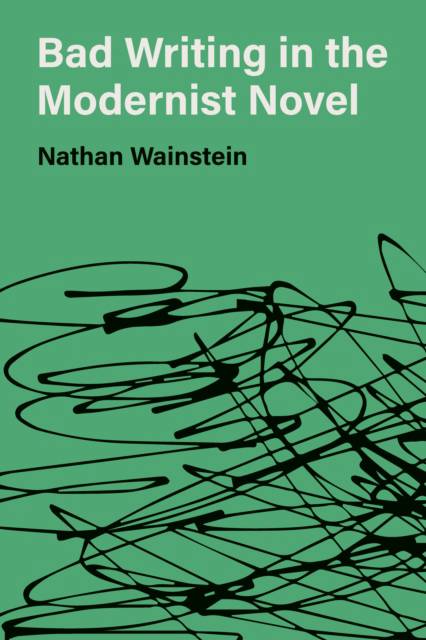
Bad Writing in the Modernist Novel
Nathan Wainstein
€ 86,45
+ 172 punten
Omschrijving
What does it mean for a modernist novel to fail?
Modernism famously celebrates rupture, difficulty, and deviance from literary norms--but that very embrace of formal experimentation creates a paradox: how can we tell the difference between daring innovation and genuinely bad writing? Bad Writing in the Modernist Novel takes up this long-overlooked question and argues that modernist aesthetics have made artistic failure uniquely difficult to recognize, both in fiction and in literary criticism itself.
Through incisive close readings of D. H. Lawrence, William Faulkner, Mina Loy, and James Joyce, Nathan Wainstein shows how moments that appear to be mistakes--awkward repetitions, temporal glitches, excessive prose, or stylistic lapses--often hover ambiguously between error and experiment. These moments, he argues, have become privileged objects of interpretation for critics trained to find meaning precisely where form seems to break down. Wainstein situates these textual breakdowns within debates about intentionality, authorial control, and critical authority, showing how modernist fiction unsettles long-standing assumptions about craft and competence. In doing so, the book clarifies why modernist novels continue to generate intense critical attention--and why questions of value and judgment remain so difficult to resolve.
At once a work of modernist literary criticism and a searching reflection on the practice of close reading, Bad Writing in the Modernist Novel rethinks how aesthetic judgment operates in a field shaped by modernism's legacy. By confronting the possibility of genuine failure head-on, Wainstein offers a fresh account of the novelistic form and the pleasures and limits of interpretation.
Specificaties
Betrokkenen
- Auteur(s):
- Uitgeverij:
Inhoud
- Aantal bladzijden:
- 264
- Taal:
- Engels
- Reeks:
Eigenschappen
- Productcode (EAN):
- 9781421455532
- Verschijningsdatum:
- 20/10/2026
- Uitvoering:
- Paperback
- Formaat:
- Trade paperback (VS)
- Afmetingen:
- 152 mm x 229 mm


Alleen bij Standaard Boekhandel
+ 172 punten op je klantenkaart van Standaard Boekhandel
Cadeau

AANGERADEN


Beoordelingen
We publiceren alleen reviews die voldoen aan de voorwaarden voor reviews. Bekijk onze voorwaarden voor reviews.