


- Afhalen na 1 uur in een winkel met voorraad
- Gratis thuislevering in België vanaf € 30
- Ruim aanbod met 7 miljoen producten
- Afhalen na 1 uur in een winkel met voorraad
- Gratis thuislevering in België vanaf € 30
- Ruim aanbod met 7 miljoen producten





€ 8,86
+ 8 punten
Uitvoering
Omschrijving
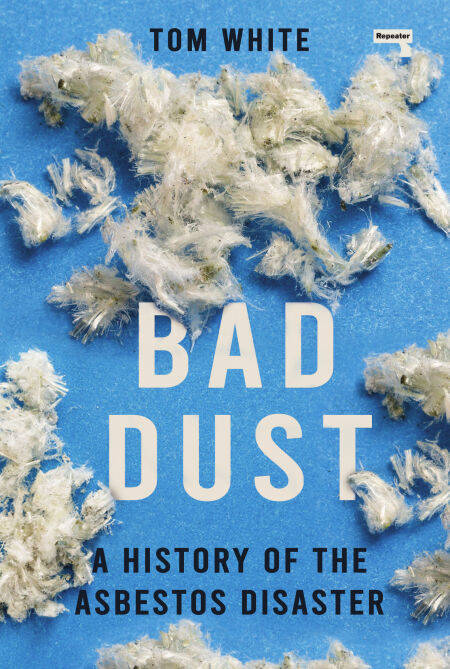
Though it was banned in the UK in 1999, asbestos still kills more than 5,000 people every year. How did this happen? And what can we do about it?
Asbestos was once known as the “magic mineral.” Cheap, versatile, and tough, it was used in a wide range of industrial and consumer products, from fireproofing spray on warships, to insulation panels in high-rise towers, to tablecloths and ironing board covers. But from the dawn of the industry in the late 1800s, it was apparent that asbestos dust was particularly harmful to workers’ lungs. Later, it became clear that even trivial exposure can cause incurable cancers.
Bad Dust traces a history of the asbestos disaster and shows how the material became so deeply interwoven with the functions of the British state. The first half of the book examines the mining of the mineral in apartheid South Africa, its manufacturing in the North of England, and its use on the shipyards and building sites of Glasgow. The second half of the book then explores the development of a coherent anti-asbestos movement from the late 1970s. Arrayed against a powerful industry, and against parts of the trade union movement, anti-asbestos groups fought for a ban on the material.
Asbestos was used extensively in schools, hospitals, and housing built in the post-war period. The banning of the material twenty-five years ago was not accompanied by a coordinated removal programme—much of it remains in place, slowing degrading and placing us all at risk. Far from a problem solved, Bad Dust shows that the asbestos disaster has really only just begun.
Asbestos was once known as the “magic mineral.” Cheap, versatile, and tough, it was used in a wide range of industrial and consumer products, from fireproofing spray on warships, to insulation panels in high-rise towers, to tablecloths and ironing board covers. But from the dawn of the industry in the late 1800s, it was apparent that asbestos dust was particularly harmful to workers’ lungs. Later, it became clear that even trivial exposure can cause incurable cancers.
Bad Dust traces a history of the asbestos disaster and shows how the material became so deeply interwoven with the functions of the British state. The first half of the book examines the mining of the mineral in apartheid South Africa, its manufacturing in the North of England, and its use on the shipyards and building sites of Glasgow. The second half of the book then explores the development of a coherent anti-asbestos movement from the late 1970s. Arrayed against a powerful industry, and against parts of the trade union movement, anti-asbestos groups fought for a ban on the material.
Asbestos was used extensively in schools, hospitals, and housing built in the post-war period. The banning of the material twenty-five years ago was not accompanied by a coordinated removal programme—much of it remains in place, slowing degrading and placing us all at risk. Far from a problem solved, Bad Dust shows that the asbestos disaster has really only just begun.


Alleen bij Standaard Boekhandel
+ 8 punten op je klantenkaart van Standaard Boekhandel
Cadeau

AANGERADEN


Beoordelingen
We publiceren alleen reviews die voldoen aan de voorwaarden voor reviews. Bekijk onze voorwaarden voor reviews.