


- Afhalen na 1 uur in een winkel met voorraad
- Gratis thuislevering in België vanaf € 30
- Ruim aanbod met 7 miljoen producten
- Afhalen na 1 uur in een winkel met voorraad
- Gratis thuislevering in België vanaf € 30
- Ruim aanbod met 7 miljoen producten





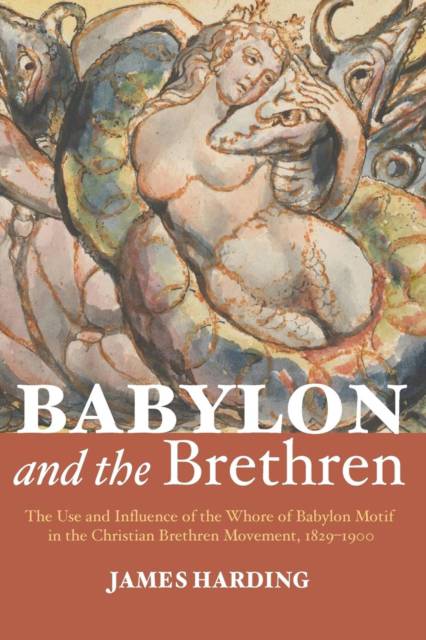
Babylon and the Brethren
The Use and Influence of the Whore of Babylon Motif in the Christian Brethren Movement, 1829-1900
James Harding
Paperback | Engels
€ 48,95
+ 97 punten
Eenvoudig bestellen
Veilig betalen


Gratis thuislevering vanaf € 30 (via bpost)
Gratis levering in je Standaard Boekhandel
Omschrijving
This book is a history of the Whore of Babylon image found in the book of Revelation, with an emphasis upon the use and influence of the text on the Brethren of the nineteenth century. The Brethren developed a multi-layered exegesis of the text, using Babylon as a form of vituperative rhetoric through which to vilify all other Christians in order to define their own religious identity. Those with divergent doctrinal beliefs belonged to an epistemological Babylon; those polluted by the world belonged to secular Babylon. Babylon was contagious! It is from the pens of these writers that the Secret Rapture of the Church doctrine developed as a biological "fight or flight" response, and a psychological "fear and fantasy" response. Whilst the Brethren of the nineteenth century are the central focus, the book will have a wider appeal to those interested in the history of exegesis, hermeneutics, and Apocalypse studies, for it also offers an overview of hermeneutical approaches to the reading of Revelation, a survey of Babylon's "afterlife" throughout the history of the church, and new insights into the ways in which readers, texts, and contexts interact in the broader context of sectarian biblical exegesis.
Specificaties
Betrokkenen
- Auteur(s):
- Uitgeverij:
Inhoud
- Aantal bladzijden:
- 266
- Taal:
- Engels
Eigenschappen
- Productcode (EAN):
- 9781625648853
- Verschijningsdatum:
- 22/10/2015
- Uitvoering:
- Paperback
- Formaat:
- Trade paperback (VS)
- Afmetingen:
- 152 mm x 226 mm
- Gewicht:
- 340 g



Alleen bij Standaard Boekhandel
+ 97 punten op je klantenkaart van Standaard Boekhandel
CADEAU

AANGERADEN


Beoordelingen
We publiceren alleen reviews die voldoen aan de voorwaarden voor reviews. Bekijk onze voorwaarden voor reviews.