


- Afhalen na 1 uur in een winkel met voorraad
- Gratis thuislevering in België vanaf € 30
- Ruim aanbod met 7 miljoen producten
- Afhalen na 1 uur in een winkel met voorraad
- Gratis thuislevering in België vanaf € 30
- Ruim aanbod met 7 miljoen producten





€ 29,45
+ 58 punten
Omschrijving
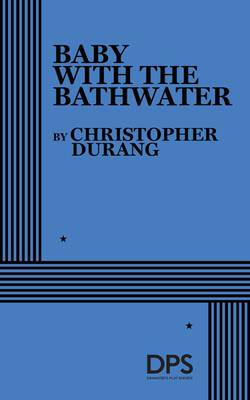
Helen and John gaze proudly at their new offspring, a bit disappointed that it doesn't speak English and too polite to check its sex. They decide that the child is a girl and name it Daisy, which leads to all manner of future emotional and personality problems when it turns out that Daisy is actually a boy. In a series of brilliantly theatrical and wildly hilarious scenes, the saga of Daisy's struggle to establish his identity continues, despite his parents' growing obliviousness. There's the zany nanny who gives him a lethal toy to play with, the small problem of Daisy's penchant for throwing himself in front of buses, his bizarre problems in school, and, finally, the sessions with his analyst which enable him, at last, to accept his maleness and stop wearing dresses. Durang's play comes full circle as the former Daisy and his young bride fondly regard their own baby, forgiving of the past but determined not to repeat its calamitous mistakes.
Specificaties
Betrokkenen
- Auteur(s):
- Uitgeverij:
Inhoud
- Aantal bladzijden:
- 62
- Taal:
- Engels
Eigenschappen
- Productcode (EAN):
- 9780822200840
- Verschijningsdatum:
- 20/03/2026
- Uitvoering:
- Paperback
- Formaat:
- Trade paperback (VS)
- Afmetingen:
- 127 mm x 203 mm
- Gewicht:
- 72 g


Alleen bij Standaard Boekhandel
+ 58 punten op je klantenkaart van Standaard Boekhandel
Cadeau

AANGERADEN


Beoordelingen
We publiceren alleen reviews die voldoen aan de voorwaarden voor reviews. Bekijk onze voorwaarden voor reviews.