


- Afhalen na 1 uur in een winkel met voorraad
- Gratis thuislevering in België vanaf € 30
- Ruim aanbod met 7 miljoen producten
- Afhalen na 1 uur in een winkel met voorraad
- Gratis thuislevering in België vanaf € 30
- Ruim aanbod met 7 miljoen producten





€ 0,49
€ 0,99
Uitvoering
Omschrijving
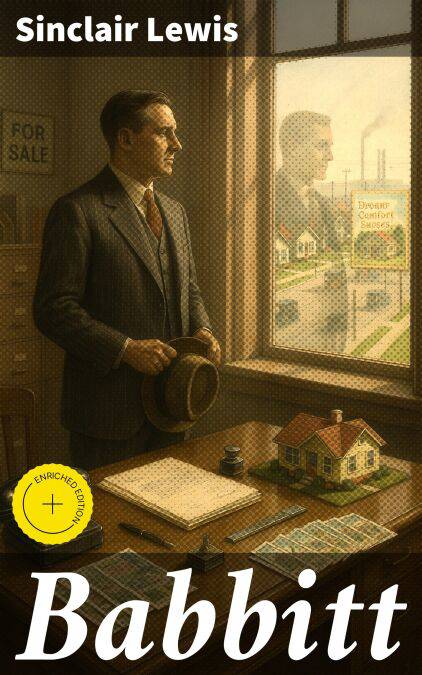
In "Babbitt," Sinclair Lewis crafts a scathing satire of American middle-class life in the 1920s, encapsulating the era's social mores through the experiences of George F. Babbitt, a prosperous yet unfulfilled real estate agent. The novel employs a sharp, ironic tone and vivid imagery to explore themes such as conformity, materialism, and the quest for individual identity amidst societal expectations. Lewis's keen observations mirror the disillusionment of post-World War I America, positioning Babbitt as a quintessential representation of the vacuity often masked by the American Dream. Sinclair Lewis, the first American to receive the Nobel Prize in Literature, was known for his incisive critiques of American culture. His own experiences growing up in the Midwest informed his depictions of small-town life and its attendant struggles. Through Babbitt, he sought to expose the hollowness of commercial success and the dangers of unchecked ambition, drawing upon the socio-political context of the 1920s to amplify his message. "Babbitt" remains a relevant exploration for contemporary readers grappling with similar issues of conformity and fulfillment in a consumer-driven society. Its enduring relevance makes it a necessary read for anyone interested in understanding the complexities of American identity and the societal pressures that shape individual lives.
In this enriched edition, we have carefully created added value for your reading experience:
- A succinct Introduction situates the work's timeless appeal and themes.
- The Synopsis outlines the central plot, highlighting key developments without spoiling critical twists.
- A detailed Historical Context immerses you in the era's events and influences that shaped the writing.
- An Author Biography reveals milestones in the author's life, illuminating the personal insights behind the text.
- A thorough Analysis dissects symbols, motifs, and character arcs to unearth underlying meanings.
- Reflection questions prompt you to engage personally with the work's messages, connecting them to modern life.
- Hand‐picked Memorable Quotes shine a spotlight on moments of literary brilliance.
- Interactive footnotes clarify unusual references, historical allusions, and archaic phrases for an effortless, more informed read.
In this enriched edition, we have carefully created added value for your reading experience:
- A succinct Introduction situates the work's timeless appeal and themes.
- The Synopsis outlines the central plot, highlighting key developments without spoiling critical twists.
- A detailed Historical Context immerses you in the era's events and influences that shaped the writing.
- An Author Biography reveals milestones in the author's life, illuminating the personal insights behind the text.
- A thorough Analysis dissects symbols, motifs, and character arcs to unearth underlying meanings.
- Reflection questions prompt you to engage personally with the work's messages, connecting them to modern life.
- Hand‐picked Memorable Quotes shine a spotlight on moments of literary brilliance.
- Interactive footnotes clarify unusual references, historical allusions, and archaic phrases for an effortless, more informed read.
Specificaties
Betrokkenen
- Auteur(s):
- Uitgeverij:
Inhoud
- Aantal bladzijden:
- 345
- Taal:
- Engels
Eigenschappen
- Productcode (EAN):
- 8596547787440
- Verschijningsdatum:
- 22/12/2023
- Uitvoering:
- E-book
- Beveiligd met:
- Digital watermarking
- Formaat:
- ePub



Alleen bij Standaard Boekhandel
Cadeau

AANGERADEN


Beoordelingen
We publiceren alleen reviews die voldoen aan de voorwaarden voor reviews. Bekijk onze voorwaarden voor reviews.