Standaard Boekhandel gebruikt cookies en gelijkaardige technologieën om de website goed te laten werken en je een betere surfervaring te bezorgen.
Hieronder kan je kiezen welke cookies je wilt inschakelen:
Technische en functionele cookies
Deze cookies zijn essentieel om de website goed te laten functioneren, en laten je toe om bijvoorbeeld in te loggen. Je kan deze cookies niet uitschakelen.
Analytische cookies
Deze cookies verzamelen anonieme informatie over het gebruik van onze website. Op die manier kunnen we de website beter afstemmen op de behoeften van de gebruikers.
Marketingcookies
Deze cookies delen je gedrag op onze website met externe partijen, zodat je op externe platformen relevantere advertenties van Standaard Boekhandel te zien krijgt.
Je cadeautjes zeker op tijd in huis hebben voor de feestdagen? Kom langs in onze winkels en vind het perfecte geschenk!
Afhalen na 1 uur in een winkel met voorraad
Gratis thuislevering in België vanaf € 30
Ruim aanbod met 7 miljoen producten
Je cadeautjes zeker op tijd in huis hebben voor de feestdagen? Kom langs in onze winkels en vind het perfecte geschenk!
Je kan maximaal 250 producten tegelijk aan je winkelmandje toevoegen. Verwijdere enkele producten uit je winkelmandje, of splits je bestelling op in meerdere bestellingen.
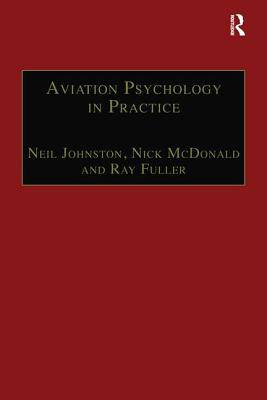
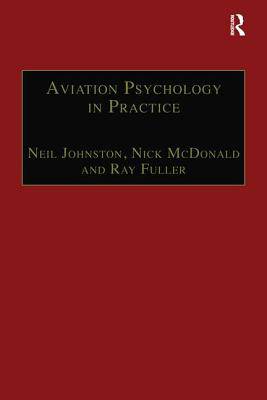
This book seeks to extend the boundaries of aviation psychology in two interrelated ways: by broadening the focus of aviation psychology beyond the flight deck to the whole aviation system; and by discussing new theoretical developments which are shaping this applied discipline. A key feature of these theoretical advances is that they are grounded in a more developed, ecologically valid, understanding of practice. Among the issues addressed in this new integration of theory and practice are the following: what goes on in the flight deck is dependent on the wider organisational context; human factors issues in aircraft maintenance and grounding are critical to aviation safety; our capacity to learn from aviation accidents and incidents needs to be supported by more systematic human factors investigation and research; we must also develop our understanding of the human factors of accident survival as well as accident prevention; theories of crew coordination and decision making must be supported by an analysis of how decisions are actually made in the real world with all its stresses and constraints; training should be grounded in a thoroughgoing analysis of the complexity of the job and a full understanding of the training process itself. The text will be of interest to human factors researchers and practitioners in aviation and related areas. It will be of particular relevance to those who have a role in training, management or regulation throughout the aviation system.