


- Afhalen na 1 uur in een winkel met voorraad
- Gratis thuislevering in België vanaf € 30
- Ruim aanbod met 7 miljoen producten
- Afhalen na 1 uur in een winkel met voorraad
- Gratis thuislevering in België vanaf € 30
- Ruim aanbod met 7 miljoen producten





Omschrijving
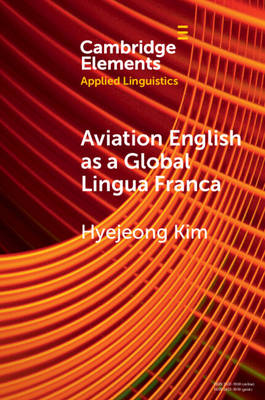
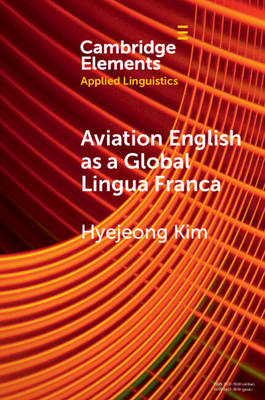
This Element examines aviation English as a global lingua franca through the lens of communities of practice. Pilots and air traffic controllers involved in international operations belong to multiple communities, including local professional, broader local aviation, and international aviation communities. Their ongoing learning within these communities and the repertoire they develop - which influences their interactions - are explored. Against this framework, the inadequacy of the current internationally applicable language proficiency requirements is critically evaluated, alongside an analysis of four notable aircraft accidents that motivated these standards. The focus then shifts to analysing live radiotelephony discourse in abnormal situations, incorporating insights from domain specialists. Findings show that language-related aspects alone are insufficient; when combined with limited domain knowledge, it can lead to unsafe and ineffective communication. The Element highlights accommodation - both for linguistic and domain-specific - as a crucial skill in this intercultural communication context and recommends greater standardisation for handling abnormal situations.
Specificaties
Betrokkenen
- Auteur(s):
- Uitgeverij:
Inhoud
- Aantal bladzijden:
- 94
- Taal:
- Engels
- Reeks:
Eigenschappen
- Productcode (EAN):
- 9781009660808
- Verschijningsdatum:
- 12/03/2026
- Uitvoering:
- Paperback
- Formaat:
- Trade paperback (VS)
- Afmetingen:
- 152 mm x 229 mm
- Gewicht:
- 136 g


Alleen bij Standaard Boekhandel
+ 48 punten op je klantenkaart van Standaard Boekhandel
Cadeau

AANGERADEN


Beoordelingen
We publiceren alleen reviews die voldoen aan de voorwaarden voor reviews. Bekijk onze voorwaarden voor reviews.