


- Afhalen na 1 uur in een winkel met voorraad
- Gratis thuislevering in België vanaf € 30
- Ruim aanbod met 7 miljoen producten
- Afhalen na 1 uur in een winkel met voorraad
- Gratis thuislevering in België vanaf € 30
- Ruim aanbod met 7 miljoen producten





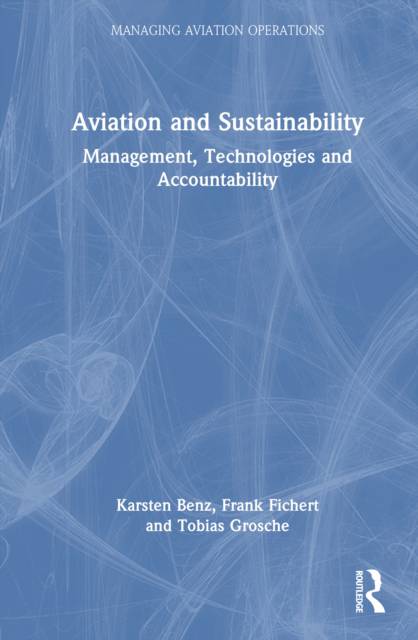
Aviation and Sustainability
Management, Technologies and Accountability
Karsten Benz, Frank Fichert, Tobias Grosche
€ 305,45
+ 610 punten
Uitvoering
Omschrijving
This book offers a comprehensive and management-oriented analysis of sustainability in the aviation industry, examining aviation's crucial role in global mobility and economic development and critically addressing its environmental, social and regulatory challenges. It is particularly relevant for environmental managers across the industry.
Specificaties
Betrokkenen
- Auteur(s):
- Uitgeverij:
Inhoud
- Aantal bladzijden:
- 250
- Taal:
- Engels
- Reeks:
Eigenschappen
- Productcode (EAN):
- 9781041001041
- Verschijningsdatum:
- 6/07/2026
- Uitvoering:
- Hardcover
- Formaat:
- Genaaid
- Afmetingen:
- 156 mm x 234 mm
- Gewicht:
- 539 g


Alleen bij Standaard Boekhandel
+ 610 punten op je klantenkaart van Standaard Boekhandel
Cadeau

AANGERADEN


Beoordelingen
We publiceren alleen reviews die voldoen aan de voorwaarden voor reviews. Bekijk onze voorwaarden voor reviews.