


- Afhalen na 1 uur in een winkel met voorraad
- Gratis thuislevering in België vanaf € 30
- Ruim aanbod met 7 miljoen producten
- Afhalen na 1 uur in een winkel met voorraad
- Gratis thuislevering in België vanaf € 30
- Ruim aanbod met 7 miljoen producten





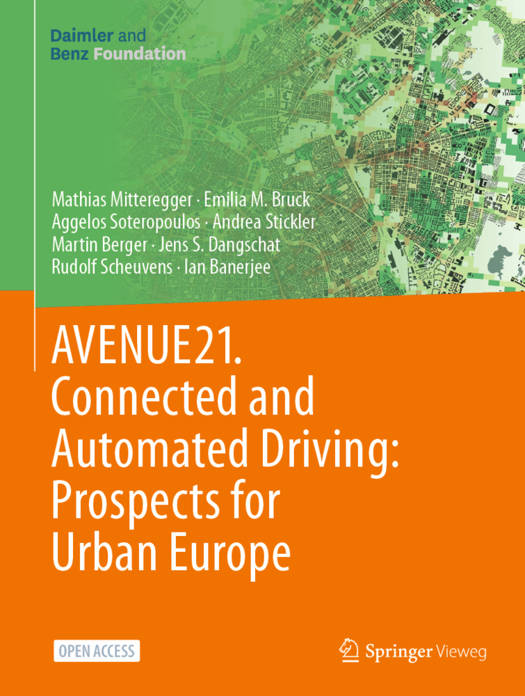
Avenue21. Connected and Automated Driving: Prospects for Urban Europe
Mathias Mitteregger, Emilia M Bruck, Aggelos Soteropoulos, Andrea Stickler, Martin Berger, Jens S Dangschat, Rudolf Scheuvens, Ian Banerjee
Hardcover | Engels
€ 53,45
+ 106 punten
Uitvoering
Omschrijving
This open access publication examines the impact of connected and automated vehicles on the European city and the conditions that can enable this technology to make a positive contribution to urban development.
Specificaties
Betrokkenen
- Auteur(s):
- Uitgeverij:
Inhoud
- Aantal bladzijden:
- 179
- Taal:
- Engels
Eigenschappen
- Productcode (EAN):
- 9783662641392
- Verschijningsdatum:
- 8/10/2021
- Uitvoering:
- Hardcover
- Formaat:
- Genaaid
- Afmetingen:
- 213 mm x 292 mm
- Gewicht:
- 771 g


Alleen bij Standaard Boekhandel
+ 106 punten op je klantenkaart van Standaard Boekhandel
Cadeau

AANGERADEN


Beoordelingen
We publiceren alleen reviews die voldoen aan de voorwaarden voor reviews. Bekijk onze voorwaarden voor reviews.