


- Afhalen na 1 uur in een winkel met voorraad
- Gratis thuislevering in België vanaf € 30
- Ruim aanbod met 7 miljoen producten
- Afhalen na 1 uur in een winkel met voorraad
- Gratis thuislevering in België vanaf € 30
- Ruim aanbod met 7 miljoen producten





€ 186,95
+ 373 punten
Uitvoering
Eenvoudig bestellen
Veilig betalen


Gratis thuislevering vanaf € 30 (via bpost)
Gratis levering in je Standaard Boekhandel
Omschrijving
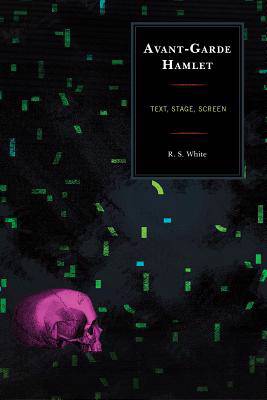
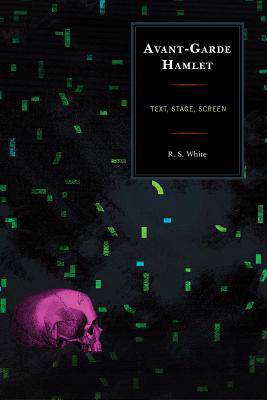
Hamlet stands as a high water mark of canonical art, yet it has equally attracted rebels and experimenters, those avant-garde writers, dramatists, performers, and filmmakers who, in their adaptations and appropriations, seek new ways of expressing innovative and challenging thoughts in the hope that they can change perceptions of their own world. One reason for this, as the book argues, is that the source text that is their inspiration was written in the same spirit. Hamlet as a work of art exhibits many aspects of the "vanguard" movements in every society and artistic milieux, an avant-garde vision of struggle against conformity, which retains an edge of provocative novelty. Accordingly, it has always inspired unorthodox adaptations and can be known by a neglected portion of the company it keeps, the avant-garde in every age. After placing Hamlet alongside "cutting edge" works in Shakespeare's time, such as Marlowe's Doctor Faustus and Kyd's The Spanish Tragedy, chapters deal with the ways in which experimental writers, theatre practitioners, and film-makers have used the play down to the present day to develop their own avant-garde visions. This is a part of the uncanny ability of Shakespeare's Hamlet to be "ever-now, ever-new."
Specificaties
Betrokkenen
- Auteur(s):
- Uitgeverij:
Inhoud
- Aantal bladzijden:
- 218
- Taal:
- Engels
- Reeks:
Eigenschappen
- Productcode (EAN):
- 9781611478556
- Verschijningsdatum:
- 10/09/2015
- Uitvoering:
- Hardcover
- Formaat:
- Genaaid
- Afmetingen:
- 155 mm x 231 mm
- Gewicht:
- 340 g


Alleen bij Standaard Boekhandel
+ 373 punten op je klantenkaart van Standaard Boekhandel
CADEAU

AANGERADEN


Beoordelingen
We publiceren alleen reviews die voldoen aan de voorwaarden voor reviews. Bekijk onze voorwaarden voor reviews.