


- Afhalen na 1 uur in een winkel met voorraad
- Gratis thuislevering in België vanaf € 30
- Ruim aanbod met 7 miljoen producten
- Afhalen na 1 uur in een winkel met voorraad
- Gratis thuislevering in België vanaf € 30
- Ruim aanbod met 7 miljoen producten





€ 254,45
+ 508 punten
Omschrijving
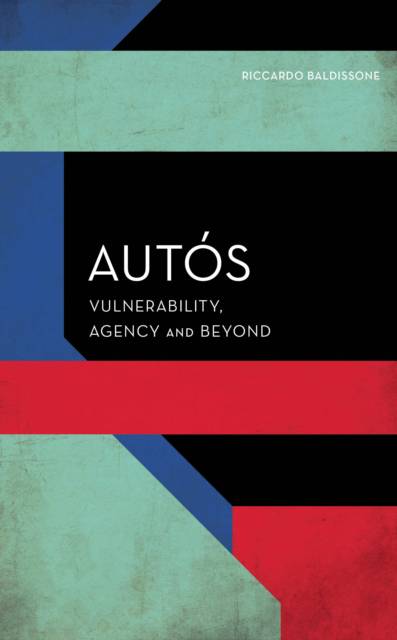
Are we doomed to construct reality with the language of being and individuality? Autós shows a different perspective by reconsidering the European textual production of individuals. Its narration progresses in reverse chronological order to escape teleology: it goes from the modern atomized and self-sufficient subject to her immediate precursor, namely, the isolated faithful of Reformation theology, and to the amazing proliferation of medieval bodies, after the Late Antique narrow individuation of the Christian persona. Roman law mostly escapes the latter's definitional approach, which first appears in Greek speculation: here, the vocabulary of being and identity takes shape, as exemplified by the new Platonic deployment of the word autós, which has both the sense of 'same' and 'self.' The Homeric epic instead shows us a discursive regime that precedes the invention of body, mind, being, and self. Taking further old and new examples, the book seeks to provincialize the technologies of the self through a new vocabulary of incorporation, whose sphere of action is not the being of entities, but the performing of practices.
Specificaties
Betrokkenen
- Auteur(s):
- Uitgeverij:
Inhoud
- Aantal bladzijden:
- 292
- Taal:
- Engels
- Reeks:
Eigenschappen
- Productcode (EAN):
- 9781786606754
- Verschijningsdatum:
- 9/07/2020
- Uitvoering:
- Hardcover
- Formaat:
- Genaaid
- Afmetingen:
- 152 mm x 229 mm
- Gewicht:
- 598 g


Alleen bij Standaard Boekhandel
+ 508 punten op je klantenkaart van Standaard Boekhandel
Cadeau

AANGERADEN


Beoordelingen
We publiceren alleen reviews die voldoen aan de voorwaarden voor reviews. Bekijk onze voorwaarden voor reviews.