


- Afhalen na 1 uur in een winkel met voorraad
- Gratis thuislevering in België vanaf € 30
- Ruim aanbod met 7 miljoen producten
- Afhalen na 1 uur in een winkel met voorraad
- Gratis thuislevering in België vanaf € 30
- Ruim aanbod met 7 miljoen producten





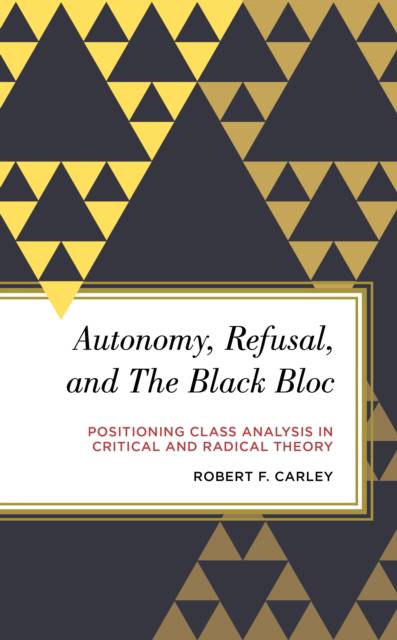
Autonomy, Refusal, and the Black Bloc
Positioning Class Analysis in Critical and Radical Theory
Robert F Carley
€ 254,45
+ 508 punten
Eenvoudig bestellen
Veilig betalen


Gratis thuislevering vanaf € 30 (via bpost)
Gratis levering in je Standaard Boekhandel
Omschrijving
Autonomy, Refusal, and the Black Bloc reinterprets the positioning of critical and radical theory by focusing squarely on the role of class analysis. It also argues that the survivance of The Frankfurt School style of critique is wholly dependent upon the traditions of radical theory that find their same departure point from out of "the great refusals" of the 1960s and 1970s. By linking together the traditions of critical and radical theory through the work of Marcuse and Negri and by demonstrating their conjunctural and historiographical connections, Carley argues that the inventive strategic and organizational contexts that give rise to the black bloc tactic constitute a new political expression of class and, more forcefully, constitute the meaning of class politics for the late 20th and 21st century.
Specificaties
Betrokkenen
- Auteur(s):
- Uitgeverij:
Inhoud
- Aantal bladzijden:
- 118
- Taal:
- Engels
- Reeks:
Eigenschappen
- Productcode (EAN):
- 9781786608802
- Verschijningsdatum:
- 11/07/2019
- Uitvoering:
- Hardcover
- Formaat:
- Genaaid
- Afmetingen:
- 152 mm x 229 mm
- Gewicht:
- 344 g



Alleen bij Standaard Boekhandel
+ 508 punten op je klantenkaart van Standaard Boekhandel
CADEAU

AANGERADEN


Beoordelingen
We publiceren alleen reviews die voldoen aan de voorwaarden voor reviews. Bekijk onze voorwaarden voor reviews.