


- Afhalen na 1 uur in een winkel met voorraad
- Gratis thuislevering in België vanaf € 30
- Ruim aanbod met 7 miljoen producten
- Afhalen na 1 uur in een winkel met voorraad
- Gratis thuislevering in België vanaf € 30
- Ruim aanbod met 7 miljoen producten




Omschrijving
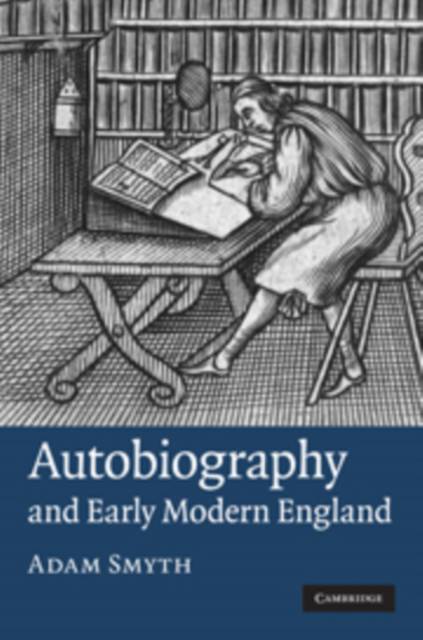
How did individuals write about their lives before a modern tradition of diaries and autobiographies was established? Adam Smyth examines the kinds of texts that sixteenth or seventeenth-century individuals produced to register their life, in the absence of these later, dominant templates. The book explores how readers responded to, and improvised with, four forms - the almanac, the financial account, the commonplace book and the parish register - to create written records of their lives. Early modern autobiography took place across these varied forms, often through a lengthy process of transmission and revision of written documents. This book brings a dynamic, surprising culture of life-writing to light for the first time, and will be of interest to anyone studying autobiography or early modern literature.
Specificaties
Betrokkenen
- Auteur(s):
- Uitgeverij:
Inhoud
- Aantal bladzijden:
- 234
- Taal:
- Engels
Eigenschappen
- Productcode (EAN):
- 9780521761727
- Verschijningsdatum:
- 5/08/2010
- Uitvoering:
- Hardcover
- Formaat:
- Ongenaaid / garenloos gebonden
- Afmetingen:
- 150 mm x 229 mm
- Gewicht:
- 498 g


Alleen bij Standaard Boekhandel
+ 366 punten op je klantenkaart van Standaard Boekhandel
AANGERADEN


Beoordelingen
We publiceren alleen reviews die voldoen aan de voorwaarden voor reviews. Bekijk onze voorwaarden voor reviews.