


- Afhalen na 1 uur in een winkel met voorraad
- Gratis thuislevering in België vanaf € 30
- Ruim aanbod met 7 miljoen producten
- Afhalen na 1 uur in een winkel met voorraad
- Gratis thuislevering in België vanaf € 30
- Ruim aanbod met 7 miljoen producten





€ 61,45
+ 122 punten
Omschrijving
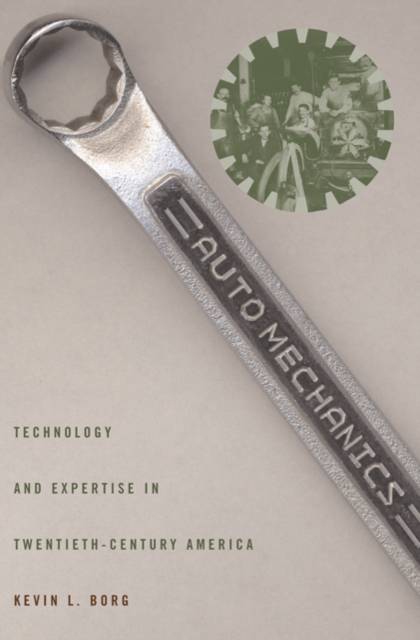
The history of automobiles is not just the story of invention, manufacturing, and marketing; it is also a story of repair. Auto Mechanics opens the repair shop to historical study-for the first time-by tracing the emergence of a dirty, difficult, and important profession. Kevin L. Borg's study spans a century of automotive technology-from the horseless carriage of the late nineteenth century to the "check engine" light of the late twentieth. Drawing from a diverse body of source material, Borg explores how the mechanic's occupation formed and evolved within the context of broad American fault lines of class, race, and gender and how vocational education entwined these tensions around the mechanic's unique expertise. He further shows how aspects of the consumer rights and environmental movements, as well as the design of automotive electronics, reflected and challenged the social identity and expertise of the mechanic. In the history of the American auto mechanic, Borg finds the origins of a persistent anxiety that even today accompanies the prospect of taking one's car in for repair.
Specificaties
Betrokkenen
- Auteur(s):
- Uitgeverij:
Inhoud
- Aantal bladzijden:
- 280
- Taal:
- Engels
- Reeks:
Eigenschappen
- Productcode (EAN):
- 9780801894855
- Verschijningsdatum:
- 20/05/2010
- Uitvoering:
- Paperback
- Formaat:
- Trade paperback (VS)
- Afmetingen:
- 150 mm x 226 mm
- Gewicht:
- 385 g


Alleen bij Standaard Boekhandel
+ 122 punten op je klantenkaart van Standaard Boekhandel
AANGERADEN


Beoordelingen
We publiceren alleen reviews die voldoen aan de voorwaarden voor reviews. Bekijk onze voorwaarden voor reviews.