


- Afhalen na 1 uur in een winkel met voorraad
- Gratis thuislevering in België vanaf € 30
- Ruim aanbod met 7 miljoen producten
- Afhalen na 1 uur in een winkel met voorraad
- Gratis thuislevering in België vanaf € 30
- Ruim aanbod met 7 miljoen producten




€ 172,95
+ 345 punten
Uitvoering
Omschrijving
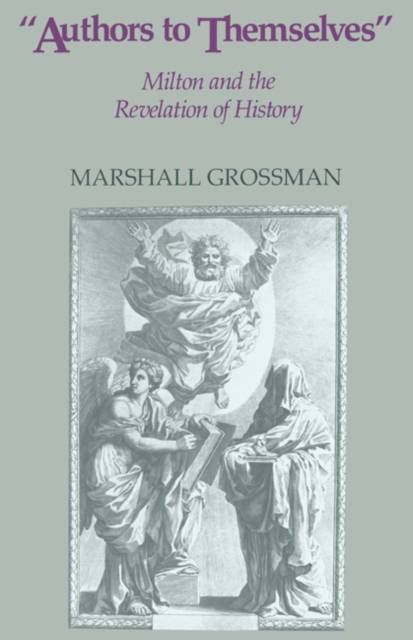
Grossman examines the narrative form of Paradise Lost to discover Milton's thoroughly modern concept of self. Banished from paradise, the epic poem's protagonists become "authors to themselves in all/Both what they judge and what they choose," left to create their own story in relation to the story already written by God. Grossman believes the resulting structure of the poem must be understood in the context of seventeenth-century historical and theological developments, specifically Bacon's notion of history as progress and Protestant theology's notion of the inner voice. The book draws upon recent works in hermeneutics and analytic history to develop the argument that there is a common structure to the experience of time in action and in narrative. In developing this thesis, Grossman draws on the work Stephen Greenblatt, Ricoeur, Todorov, Genette, Derrida, and Lacan to construct an original reading of Paradise Lost that will fascinate Miltonists, specialists in seventeenth-century literature, and readers concerned with narrative theory.
Specificaties
Betrokkenen
- Auteur(s):
- Uitgeverij:
Inhoud
- Aantal bladzijden:
- 256
- Taal:
- Engels
- Reeks:
Eigenschappen
- Productcode (EAN):
- 9780521340373
- Verschijningsdatum:
- 29/01/1988
- Uitvoering:
- Hardcover
- Formaat:
- Genaaid
- Afmetingen:
- 139 mm x 211 mm
- Gewicht:
- 489 g


Alleen bij Standaard Boekhandel
+ 345 punten op je klantenkaart van Standaard Boekhandel
AANGERADEN


Beoordelingen
We publiceren alleen reviews die voldoen aan de voorwaarden voor reviews. Bekijk onze voorwaarden voor reviews.