


- Afhalen na 1 uur in een winkel met voorraad
- Gratis thuislevering in België vanaf € 30
- Ruim aanbod met 7 miljoen producten
- Afhalen na 1 uur in een winkel met voorraad
- Gratis thuislevering in België vanaf € 30
- Ruim aanbod met 7 miljoen producten





€ 127,20
+ 254 punten
Omschrijving
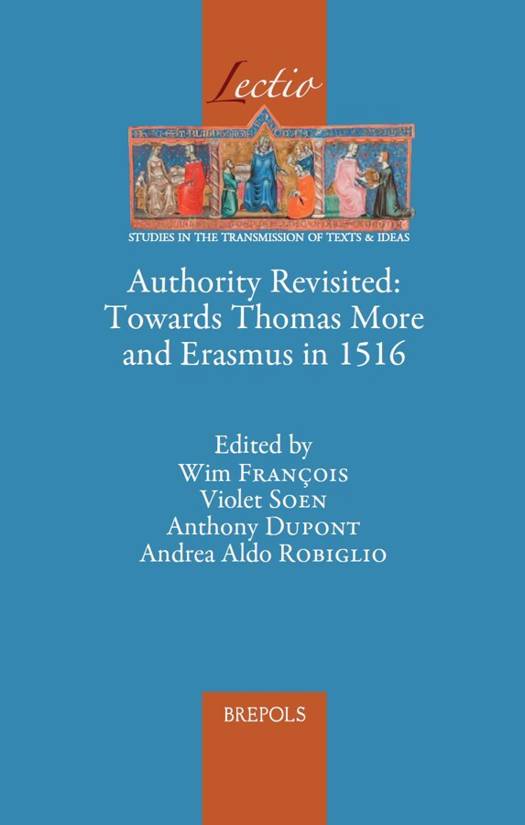
In-depth essays on Desiderius Erasmus's Novum Instrumentum and Thomas More's Utopia, which were both published for the first time in 1516 in Basel and Leuven respectively, and which have contributed dramatically to the rise of (early) modern Western thought and thoroughly influenced subsequent generations in their literary, philosophical and theological works In the year 1516, two crucial texts for the cultural history of the West saw the light: Desiderius Erasmus' Nouum Instrumentum and Thomas More's Utopia. Both of these works dealt freely with authoritative sources of Western civilization and opened new pathways of thought on the eve of far-reaching religious and political changes. This book volume deals with aspects of the content, reception and influence of Nouum Instrumentum and Utopia in the (Early) Modern Era, while also focusing upon the sources they used and critically adopted. The overall approach is that both texts have contributed dramatically to the rise of (early) modern Western thought and have influenced the next generations in their literary, philosophical and theological works. This volume, multidisciplinary in scope, brings together contributions from the fields of bible exegesis, theology, philosophy, philology and history. The editors of this volume, professors at the University of Leuven, collected these essays in the wake of the important anniversary 1516-2016 and as a tribute to the university town's particular place in the publication history of the books under discussion. Erasmus did an important share of his Bible-hermeneutical work in Leuven, where he also supervised the printing process of the editio princeps of Utopia.
Specificaties
Betrokkenen
- Auteur(s):
- Uitgeverij:
Inhoud
- Aantal bladzijden:
- 604
- Taal:
- Engels, Frans
- Reeks:
- Reeksnummer:
- nr. 10
Eigenschappen
- Productcode (EAN):
- 9782503590615
- Verschijningsdatum:
- 18/02/2021
- Uitvoering:
- Hardcover
- Formaat:
- Genaaid
- Afmetingen:
- 163 mm x 239 mm
- Gewicht:
- 1179 g


Alleen bij Standaard Boekhandel
+ 254 punten op je klantenkaart van Standaard Boekhandel
CADEAU

AANGERADEN


Beoordelingen
We publiceren alleen reviews die voldoen aan de voorwaarden voor reviews. Bekijk onze voorwaarden voor reviews.