


- Afhalen na 1 uur in een winkel met voorraad
- Gratis thuislevering in België vanaf € 30
- Ruim aanbod met 7 miljoen producten
- Afhalen na 1 uur in een winkel met voorraad
- Gratis thuislevering in België vanaf € 30
- Ruim aanbod met 7 miljoen producten





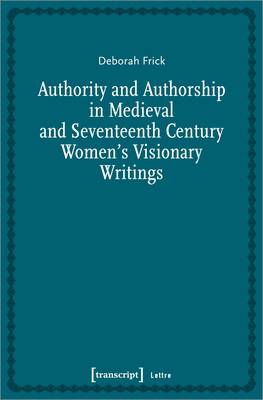
Authority and Authorship in Medieval and Seventeenth Century Women's Visionary Writings
Deborah Frick
€ 76,45
+ 152 punten
Omschrijving
In medieval and early modern times, female visionary writers used the mode of prophecy to voice their concerns and ideas, against the backdrop of cultural restrictions and negative stereotypes. In this book, Deborah Frick analyses medieval visionary writings by Julian of Norwich and Margery Kempe in comparison to seventeenth-century visionary writings by authors such as Anna Trapnel, Mary Cary, Anne Wentworth and Katherine Chidley, in order to investigate how these women authorized themselves in their writings and what topoi they use to find a voice and place of their own. This comparison, furthermore, and the strikingly similar topoi that are used by the female visionaries not only allows to question and examine topics such as authority, authorship, images of voice and body; it also breaks down preconceived and artificial boundaries and definitions.
Specificaties
Betrokkenen
- Auteur(s):
- Uitgeverij:
Inhoud
- Aantal bladzijden:
- 156
- Taal:
- Engels
- Reeks:
Eigenschappen
- Productcode (EAN):
- 9783837656893
- Verschijningsdatum:
- 27/05/2021
- Uitvoering:
- Paperback
- Formaat:
- Trade paperback (VS)
- Afmetingen:
- 152 mm x 229 mm
- Gewicht:
- 217 g


Alleen bij Standaard Boekhandel
+ 152 punten op je klantenkaart van Standaard Boekhandel

Beoordelingen
We publiceren alleen reviews die voldoen aan de voorwaarden voor reviews. Bekijk onze voorwaarden voor reviews.