Standaard Boekhandel gebruikt cookies en gelijkaardige technologieën om de website goed te laten werken en je een betere surfervaring te bezorgen.
Hieronder kan je kiezen welke cookies je wilt inschakelen:
Technische en functionele cookies
Deze cookies zijn essentieel om de website goed te laten functioneren, en laten je toe om bijvoorbeeld in te loggen. Je kan deze cookies niet uitschakelen.
Analytische cookies
Deze cookies verzamelen anonieme informatie over het gebruik van onze website. Op die manier kunnen we de website beter afstemmen op de behoeften van de gebruikers.
Marketingcookies
Deze cookies delen je gedrag op onze website met externe partijen, zodat je op externe platformen relevantere advertenties van Standaard Boekhandel te zien krijgt.
Je cadeautjes zeker op tijd in huis hebben voor de feestdagen? Kom langs in onze winkels en vind het perfecte geschenk!
Afhalen na 1 uur in een winkel met voorraad
Gratis thuislevering in België vanaf € 30
Ruim aanbod met 7 miljoen producten
Je cadeautjes zeker op tijd in huis hebben voor de feestdagen? Kom langs in onze winkels en vind het perfecte geschenk!
Je kan maximaal 250 producten tegelijk aan je winkelmandje toevoegen. Verwijdere enkele producten uit je winkelmandje, of splits je bestelling op in meerdere bestellingen.
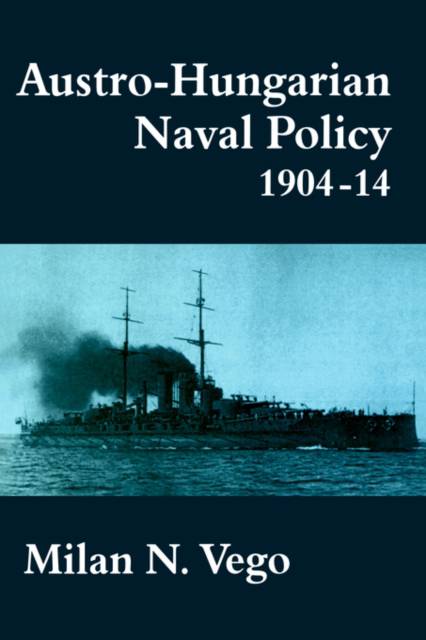
This unique and comprehensive account describes the interplay of internal and external factors in the emergence of the Austro-Hungarian Navy from a coastal defence force in 1904 to a respectable battle force capable of the joint operations with other Triple Alliance fleets in the Mediterranean by the eve of World War I. By 1914 the Austro-Hungarian Navy was the sixth largest navy in the world and the quality of its officers and men was widely recognised by most European naval observers at the time. The book describes the relationships between naval leaders, the heir to the throne Archduke Francis Ferdinand, and the Parliament in shaping the dual Monarchy's naval policy. It also shows how the changes in foreign policy in Italy and underlying animosities between Rome and Vienna led to a naval race in the Adriatic that eventually bolstered Germany's naval position in respect to Great Britain in the North Sea.