


- Afhalen na 1 uur in een winkel met voorraad
- Gratis thuislevering in België vanaf € 30
- Ruim aanbod met 7 miljoen producten
- Afhalen na 1 uur in een winkel met voorraad
- Gratis thuislevering in België vanaf € 30
- Ruim aanbod met 7 miljoen producten





€ 112,95
+ 225 punten
Uitvoering
Omschrijving
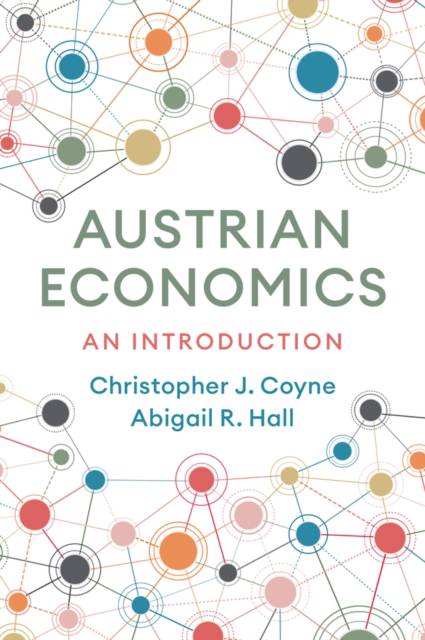
How can people peacefully cooperate with others to improve their lives? This important book answers this question by introducing readers to the Austrian school of economics.
Austrian economics is a heterodox tradition with a distinct philosophy of science stressing purposive individual action, subjective value, the unique nature of economic knowledge, and the importance of prices and markets for coordination. Beginning in Austria in the 1870s with the work of Carl Menger, the ideas of those working in this tradition shaped the field of economics as we know it today. Coyne and Hall tell the story of the key thinkers and ideas in the Austrian school. In doing so, they demonstrate the tradition's ongoing relevance to a wide range of contemporary issues, including entrepreneurship, development, government regulation, artificial intelligence, business cycles and recessions, infectious diseases, recovery from natural disasters, and war.
Comprehensive and accessibly written, Austrian Economics: An Introduction is an indispensable resource on its topic. Readers will come away with a better understanding of economics and an appreciation of the marvel of human cooperation.
Specificaties
Betrokkenen
- Auteur(s):
- Uitgeverij:
Inhoud
- Aantal bladzijden:
- 224
- Taal:
- Engels
Eigenschappen
- Productcode (EAN):
- 9781509547050
- Verschijningsdatum:
- 1/04/2026
- Uitvoering:
- Hardcover
- Formaat:
- Genaaid
- Afmetingen:
- 152 mm x 229 mm
- Gewicht:
- 471 g


Alleen bij Standaard Boekhandel
+ 225 punten op je klantenkaart van Standaard Boekhandel
Cadeau

AANGERADEN


Beoordelingen
We publiceren alleen reviews die voldoen aan de voorwaarden voor reviews. Bekijk onze voorwaarden voor reviews.