


- Afhalen na 1 uur in een winkel met voorraad
- Gratis thuislevering in België vanaf € 30
- Ruim aanbod met 7 miljoen producten
- Afhalen na 1 uur in een winkel met voorraad
- Gratis thuislevering in België vanaf € 30
- Ruim aanbod met 7 miljoen producten





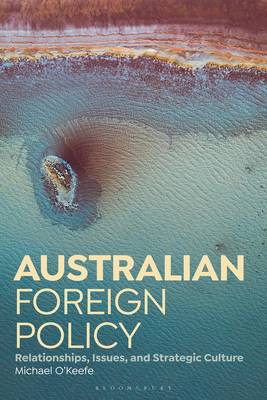
Australian Foreign Policy
Relationships, Issues, and Strategic Culture
Michael O'Keefe
Paperback | Engels
€ 76,45
+ 152 punten
Uitvoering
Omschrijving
How does Australia's unique geographical, cultural and historical position influence its approach to foreign policy? What key challenges does Australia face on the world stage, and how can it overcome them?
Reflecting the messy reality of foreign policy decision-making, this book helps you to understand the changes and continuities in Australia's approach. For example, does the US withdrawal from Vietnam in 1973 and collapse of South Vietnam continue to cast a shadow over Australian foreign policy, or is it relevant only in understanding the dynamics of the cold war? Using an Australian Strategic Culture framework, O'Keefe sheds light on the characteristics that make Australia behave in a way different to any other country and equips you with analytic skills to understand the main debates, such as: - In what sense could Australia be seen as a 'good' international citizen?- Have national interests trumped global responsibilities?
- How does the intersection between civil society and public opinion interact with foreign policy making? This book is essential reading if you are a student of Australian foreign policy, as well as of broader Australian domestic politics and international relations.
Specificaties
Betrokkenen
- Auteur(s):
- Uitgeverij:
Inhoud
- Aantal bladzijden:
- 424
- Taal:
- Engels
Eigenschappen
- Productcode (EAN):
- 9781350369368
- Verschijningsdatum:
- 10/08/2023
- Uitvoering:
- Paperback
- Formaat:
- Trade paperback (VS)
- Afmetingen:
- 156 mm x 234 mm
- Gewicht:
- 585 g


Alleen bij Standaard Boekhandel
+ 152 punten op je klantenkaart van Standaard Boekhandel
AANGERADEN


Beoordelingen
We publiceren alleen reviews die voldoen aan de voorwaarden voor reviews. Bekijk onze voorwaarden voor reviews.