


- Afhalen na 1 uur in een winkel met voorraad
- Gratis thuislevering in België vanaf € 30
- Ruim aanbod met 7 miljoen producten
- Afhalen na 1 uur in een winkel met voorraad
- Gratis thuislevering in België vanaf € 30
- Ruim aanbod met 7 miljoen producten




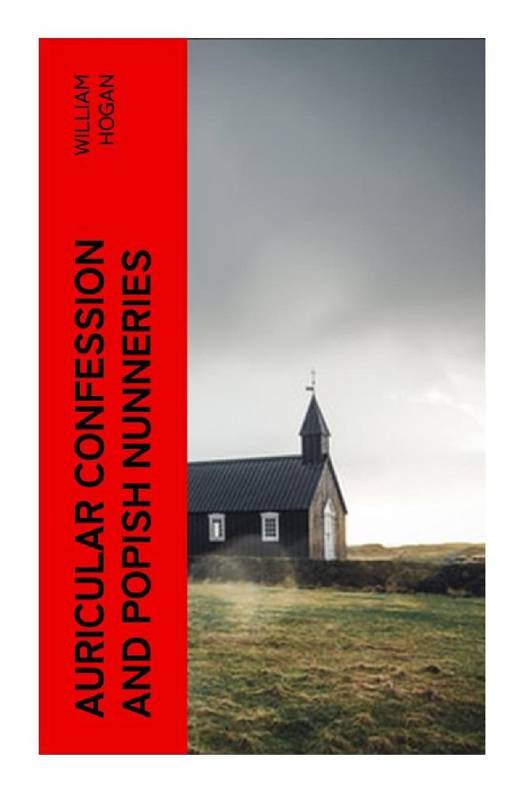
Auricular Confession and Popish Nunneries
A Nineteenth-Century Protestant Polemic on the Confessional, Convents, and Roman Catholic Controversy
William Hogan
Paperback | Engels
€ 12,45
+ 24 punten
Omschrijving
Auricular Confession and Popish Nunneries is a vigorous nineteenth-century Protestant polemic directed against two institutions that anti-Catholic writers regarded as especially secretive: the confessional and the convent. Combining anecdote, denunciation, moral warning, and exposé, the work belongs to the transatlantic literature of religious controversy that flourished amid debates over immigration, clerical authority, and women's vulnerability. Its style is urgent, accusatory, and sermonic, revealing less a detached inquiry than a text designed to persuade, alarm, and mobilize. William Hogan was an Irish-born former Roman Catholic priest who became a prominent anti-Catholic lecturer and writer in the United States. His clerical training and subsequent break with the Church supplied both the authority he claimed and the animating grievance behind his publications. Writing for a Protestant readership suspicious of papal influence, Hogan framed personal experience as evidence of systemic corruption, turning biography into controversy. Readers interested in American religious history, polemical print culture, or the rhetoric of anti-Catholicism will find this book a revealing primary source. It should be read critically, not as neutral reportage, but as a forceful document of its anxieties and age.
Specificaties
Betrokkenen
- Auteur(s):
- Uitgeverij:
Inhoud
- Taal:
- Engels
Eigenschappen
- Productcode (EAN):
- 9788027382347
- Uitvoering:
- Paperback
- Afmetingen:
- 152 mm x 229 mm
- Gewicht:
- 228 g


Alleen bij Standaard Boekhandel
+ 24 punten op je klantenkaart van Standaard Boekhandel
CADEAU

AANGERADEN


Beoordelingen
We publiceren alleen reviews die voldoen aan de voorwaarden voor reviews. Bekijk onze voorwaarden voor reviews.