



- Afhalen na 1 uur in een winkel met voorraad
- In januari gratis thuislevering in België
- Ruim aanbod met 7 miljoen producten
- Afhalen na 1 uur in een winkel met voorraad
- In januari gratis thuislevering in België
- Ruim aanbod met 7 miljoen producten





€ 23,95
+ 47 punten
Omschrijving
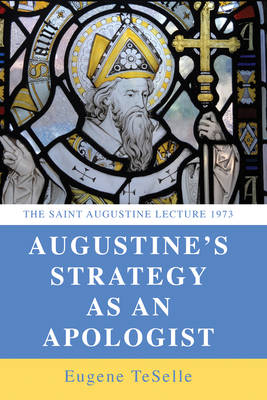
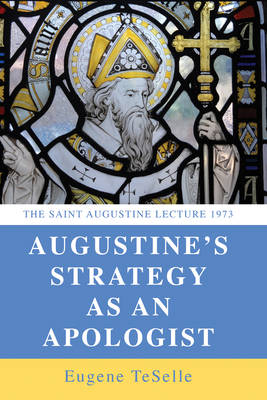
In this Saint Augustine Lecture, Professor TeSelle draws together from the various writings of Augustine the major themes in his approach to non-Christians. Highlighting Augustine's emphasis upon the moral and personal attractions of the Christian life that go beyond mere argumentation, he examines three successive concerns. During the years following his conversion, Augustine appealed to those who had some philosophical knowledge and tried to show how Christianity fulfills and puts into effect their highest aspirations. Then during the period between 399 and 410 he joined in the Empire's attack upon pagan religion, adding to his moral and intellectual claims a fateful justification of religious persecution. And at the last, in The City of God, he discovered that he must acknowledge the shortcomings, and not merely celebrate the glories, of "Christian times." It is here, Professor TeSelle suggests, that Augustine's apologetics comes to its appropriate climax--and perhaps speaks most eloquently to our contemporary situation.
Specificaties
Betrokkenen
- Auteur(s):
- Uitgeverij:
Inhoud
- Aantal bladzijden:
- 94
- Taal:
- Engels
- Reeks:
Eigenschappen
- Productcode (EAN):
- 9781608998715
- Verschijningsdatum:
- 1/08/2010
- Uitvoering:
- Paperback
- Formaat:
- Trade paperback (VS)
- Afmetingen:
- 127 mm x 198 mm
- Gewicht:
- 113 g


Alleen bij Standaard Boekhandel
+ 47 punten op je klantenkaart van Standaard Boekhandel
Cadeau

AANGERADEN


Beoordelingen
We publiceren alleen reviews die voldoen aan de voorwaarden voor reviews. Bekijk onze voorwaarden voor reviews.