


- Afhalen na 1 uur in een winkel met voorraad
- Gratis thuislevering in België vanaf € 30
- Ruim aanbod met 7 miljoen producten
- Afhalen na 1 uur in een winkel met voorraad
- Gratis thuislevering in België vanaf € 30
- Ruim aanbod met 7 miljoen producten





€ 169,95
+ 339 punten
Uitvoering
Omschrijving
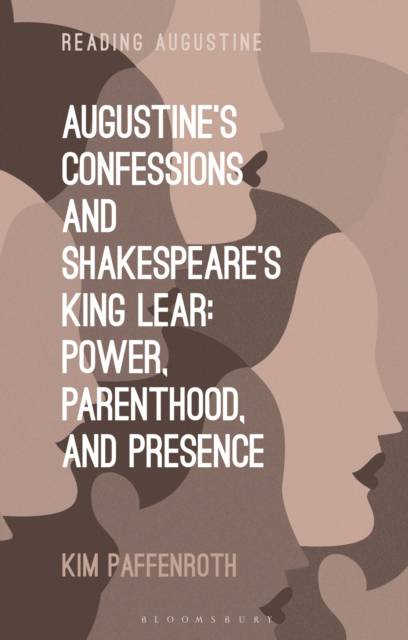
Paffenroth returns to two of the most quintessentially commanding yet vulnerable protagonists in the Western canon - Augustine, the real life, fifth century bishop of Hippo, known to us mostly through his own telling of his life in Confessions; and King Lear, the legendary king of Briton, known to us mostly from Shakespeare's version of his tragic end.
Having examined problems addressed in both works of love, language, nature, and reason, Paffenroth here picks up more purely relational matters: both protagonists wield (or have wielded) power over others, yet struggle to learn its right application; both raise children, but have deeply problematic relations with their children, their partners, and (in the case of Augustine at least) their parents; neither has an intuitive or unproblematic relationship with a fully present God or gods - Augustine struggles mightily to have such, while Lear cries out to heaven but it is unclear he ever gets a reply. As different as the books and men are, how they relate to women and God shows illuminating and complementary points of comparison.Specificaties
Betrokkenen
- Auteur(s):
- Uitgeverij:
Inhoud
- Aantal bladzijden:
- 136
- Taal:
- Engels
- Reeks:
Eigenschappen
- Productcode (EAN):
- 9781350500884
- Verschijningsdatum:
- 11/12/2025
- Uitvoering:
- Hardcover
- Formaat:
- Genaaid
- Afmetingen:
- 140 mm x 216 mm
- Gewicht:
- 303 g


Alleen bij Standaard Boekhandel
+ 339 punten op je klantenkaart van Standaard Boekhandel
Cadeau

AANGERADEN


Beoordelingen
We publiceren alleen reviews die voldoen aan de voorwaarden voor reviews. Bekijk onze voorwaarden voor reviews.