



Bedankt voor het vertrouwen het afgelopen jaar! Om jou te bedanken bieden we GRATIS verzending (in België) aan op alles gedurende de hele maand januari.
- Afhalen na 1 uur in een winkel met voorraad
- In januari gratis thuislevering in België
- Ruim aanbod met 7 miljoen producten
Bedankt voor het vertrouwen het afgelopen jaar! Om jou te bedanken bieden we GRATIS verzending (in België) aan op alles gedurende de hele maand januari.
- Afhalen na 1 uur in een winkel met voorraad
- In januari gratis thuislevering in België
- Ruim aanbod met 7 miljoen producten





€ 109,95
+ 219 punten
Omschrijving
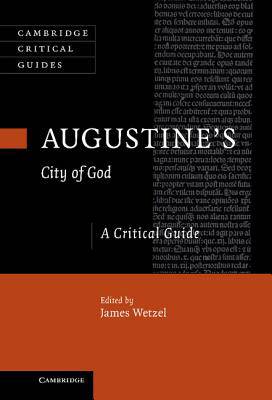
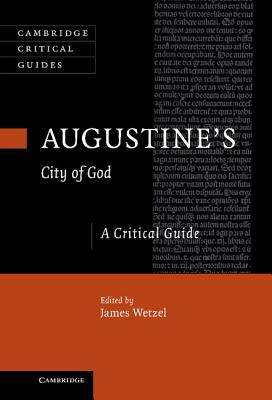
Augustine's City of God has profoundly influenced the course of Western political philosophy, but there are few guides to its labyrinthine argumentation that hold together the delicate interplay of religion and philosophy in Augustine's thought. The essays in this volume offer a rich examination of those themes, using the central, contested distinction between a heavenly city on earthly pilgrimage and an earthly city bound for perdition to elaborate aspects of Augustine's political and moral vision. Topics discussed include Augustine's notion of the secular, his critique of pagan virtue, his departure from classical eudaimonism, his mythology of sin, his dystopian politics, his surprising attention to female bodies, his moral psychology, his valorisation of love, his critique of empire and his conception of a Christian philosophy. Together the essays advance our understanding of Augustine's most influential work and provide a rich overview of Augustinian political theology and its philosophical implications.
Specificaties
Betrokkenen
- Uitgeverij:
Inhoud
- Aantal bladzijden:
- 280
- Taal:
- Engels
- Reeks:
Eigenschappen
- Productcode (EAN):
- 9780521199940
- Verschijningsdatum:
- 4/10/2012
- Uitvoering:
- Hardcover
- Formaat:
- Genaaid
- Afmetingen:
- 150 mm x 231 mm
- Gewicht:
- 544 g

Alleen bij Standaard Boekhandel
+ 219 punten op je klantenkaart van Standaard Boekhandel
SOLDEN


Beoordelingen
We publiceren alleen reviews die voldoen aan de voorwaarden voor reviews. Bekijk onze voorwaarden voor reviews.