


- Afhalen na 1 uur in een winkel met voorraad
- Gratis thuislevering in België vanaf € 30
- Ruim aanbod met 7 miljoen producten
- Afhalen na 1 uur in een winkel met voorraad
- Gratis thuislevering in België vanaf € 30
- Ruim aanbod met 7 miljoen producten





€ 187,45
+ 374 punten
Omschrijving
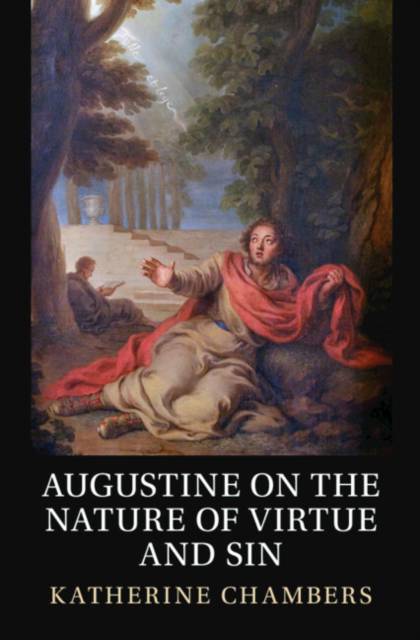
Augustine of Hippo is a key figure in the history of Christianity and has had a profound impact on the course of western moral and political thought. Katherine Chambers here explores a neglected topic in Augustinian studies by offering a systematic account of the meaning that Augustine gave to the notions of virtue, vice and sin. Countering the view that he broke with classical eudaimonism, she demonstrates that Augustine's moral thought builds on the dominant approach to ethics in classical 'pagan' antiquity. A critical appraisal of this tradition reveals that Augustine remained faithful to the eudaimonist approach to ethics. Chambers also refutes the view that Augustine was a political pessimist or realist, showing that it is based upon a misunderstanding of Augustine's ideas about the virtue of justice. Providing a coherent account of key features in Augustine's ethics, her study invites a new and fresh evaluation of his influence on western moral and political thought.
Specificaties
Betrokkenen
- Auteur(s):
- Uitgeverij:
Inhoud
- Aantal bladzijden:
- 370
- Taal:
- Engels
Eigenschappen
- Productcode (EAN):
- 9781009383783
- Verschijningsdatum:
- 23/11/2023
- Uitvoering:
- Hardcover
- Formaat:
- Genaaid
- Afmetingen:
- 152 mm x 229 mm
- Gewicht:
- 712 g


Alleen bij Standaard Boekhandel
+ 374 punten op je klantenkaart van Standaard Boekhandel
AANGERADEN


Beoordelingen
We publiceren alleen reviews die voldoen aan de voorwaarden voor reviews. Bekijk onze voorwaarden voor reviews.