


- Afhalen na 1 uur in een winkel met voorraad
- Gratis thuislevering in België vanaf € 30
- Ruim aanbod met 7 miljoen producten
- Afhalen na 1 uur in een winkel met voorraad
- Gratis thuislevering in België vanaf € 30
- Ruim aanbod met 7 miljoen producten





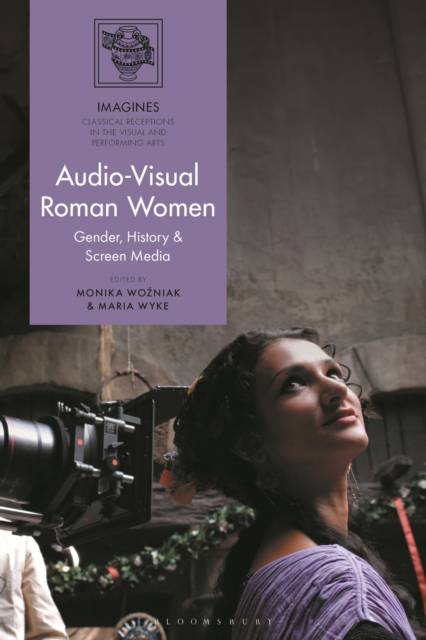
Audio-Visual Roman Women
Gender, History and Screen Media
€ 203,95
+ 407 punten
Eenvoudig bestellen
Veilig betalen


Gratis thuislevering vanaf € 30 (via bpost)
Gratis levering in je Standaard Boekhandel
Omschrijving
This open-access book is an interdisciplinary and transnational study of how screen media can shape our perception of Roman women and project present gender inequalities onto them. Maria Wyke and Monika Wozniak explore a range of representations that have given life to Roman women through a multisensory experience of history as image, movement and sound, starting from the 1900s through to the 2020s (from the arrival of cinema to the ascendance of video games). This book asks: what sources do screen media draw on for their Roman women (given the scarcity of suitable ancient material), how are they assembled aesthetically and ideologically using the specific devices of such media (from camerawork to gameplay), and who are they made by and for (especially in terms of gender)?
Each chapter investigates the diverse ways these representations interlock with the social position of women at the time in which they were made, and consider to what extent they have responded to the emergence of feminism, the revisionist scholarship on ancient women that emerged in the mid-1970s, and the rise of the #MeToo movement from 2006. The challenge of creating authentic yet compelling portrayals of Roman women is greater than ever, in a media culture marked by anti-feminist rhetoric and a wide gap between our ancient sources (where female agency is tightly constrained) and current expectations for powerful women in popular culture. The volume will therefore provide a stronger platform on which to build the Roman women of the future. The ebook editions of this book are available open access under a CC BY-NC-ND 4.0 licence on bloomsburycollections.com. Open access was funded by University College London.Specificaties
Betrokkenen
- Uitgeverij:
Inhoud
- Aantal bladzijden:
- 352
- Taal:
- Engels
- Reeks:
Eigenschappen
- Productcode (EAN):
- 9781350461833
- Verschijningsdatum:
- 8/01/2026
- Uitvoering:
- Hardcover
- Formaat:
- Genaaid
- Afmetingen:
- 156 mm x 234 mm
- Gewicht:
- 657 g

Alleen bij Standaard Boekhandel
+ 407 punten op je klantenkaart van Standaard Boekhandel
CADEAU

AANGERADEN


Beoordelingen
We publiceren alleen reviews die voldoen aan de voorwaarden voor reviews. Bekijk onze voorwaarden voor reviews.